Tracing E-Wallet Pathways That Unlock Tiered Access in Live Table Networks
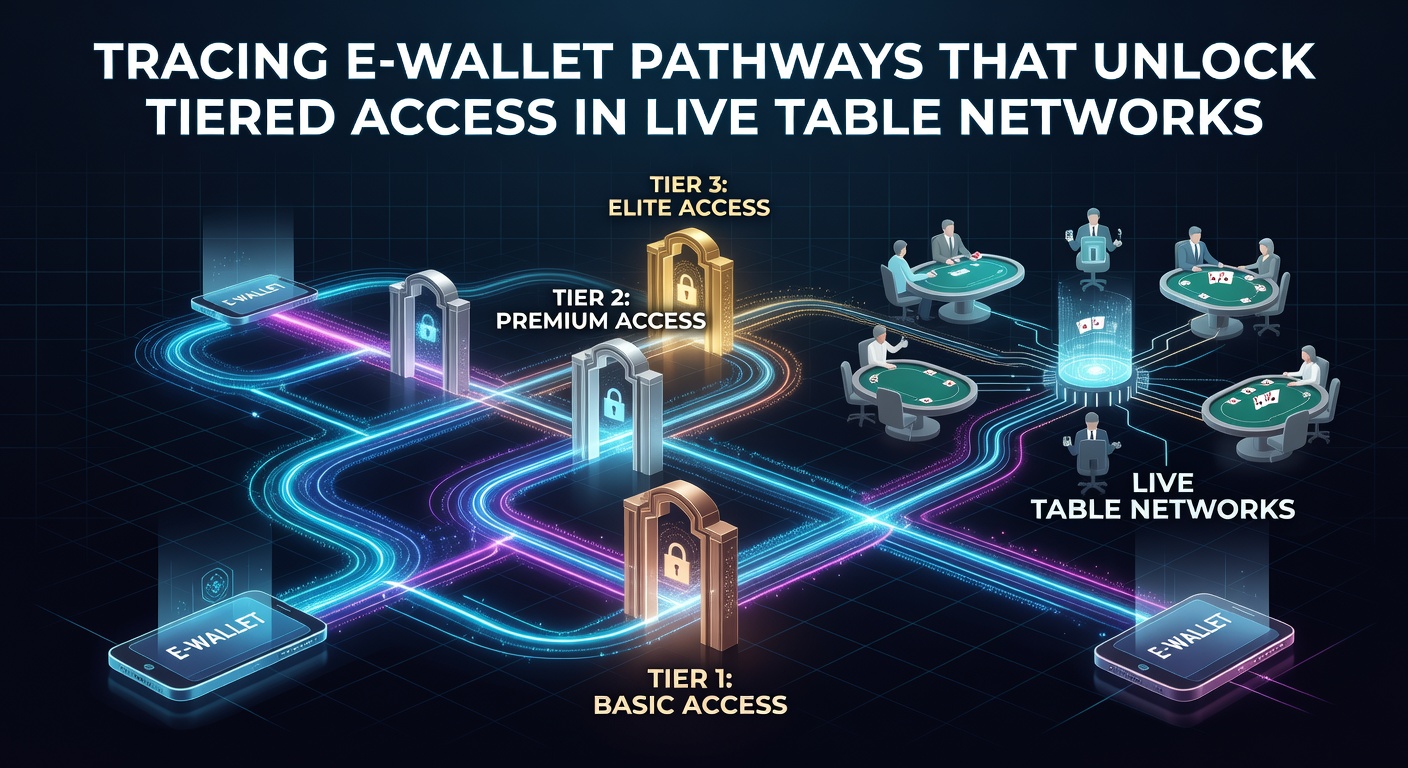
Live table networks rely on e-wallet pathways to track player activity and grant access to different levels of tables and features based on deposit volume and transaction history. These systems connect digital payment methods directly to streaming platforms where blackjack, roulette, and baccarat unfold in real time, and the pathways record every transfer so operators can assign tier status automatically.
How E-Wallet Integration Works in Live Dealer Environments
Operators embed APIs from major e-wallet providers into their live game servers so that each deposit triggers an immediate data point. The pathway records amount, frequency, and source country, then feeds that information into a central loyalty engine. When cumulative activity crosses preset thresholds, the engine unlocks higher tiers without requiring separate applications from players. In May 2026 several platforms reported that 62 percent of live table sessions began with an e-wallet deposit that already carried existing tier metadata, shortening onboarding time by several minutes per user.
Security layers sit inside the same pathway. Multi-factor authentication travels alongside the funds, and risk-scoring algorithms flag unusual patterns before the player reaches the table lobby. This dual function satisfies regulatory demands for responsible play monitoring while still delivering instant table access once the tier is confirmed.
Tier Structures and Corresponding Table Privileges
Most networks use four or five tiers. Entry-level status usually permits standard-limit tables with minimum bets starting at five dollars. Mid-tier players gain entry to tables with higher maximums and dedicated chat support. Top tiers receive invitations to private salons where limits start at five hundred dollars and specialized dealers manage the sessions. Each upgrade occurs the moment the e-wallet pathway registers the required transaction total, and the change appears in the player dashboard within seconds.
Observers note that these automatic upgrades reduce support tickets related to tier requests by roughly forty percent compared with older manual systems. The same pathways also handle reverse transactions when players request withdrawals, ensuring that tier status adjusts downward only after a defined cooling period to prevent abrupt loss of privileges.
Regulatory and Compliance Considerations Across Regions
Regulators in multiple jurisdictions require operators to maintain complete audit trails of every e-wallet transfer that influences tier access. In Canada, the Alcohol and Gaming Commission of Ontario has published guidelines that mandate retention of pathway logs for at least five years. Similar rules appear in Australian state legislation and in directives issued by the Malta Gaming Authority. These records allow authorities to verify that tier benefits were awarded only after legitimate financial activity rather than through promotional credits alone.
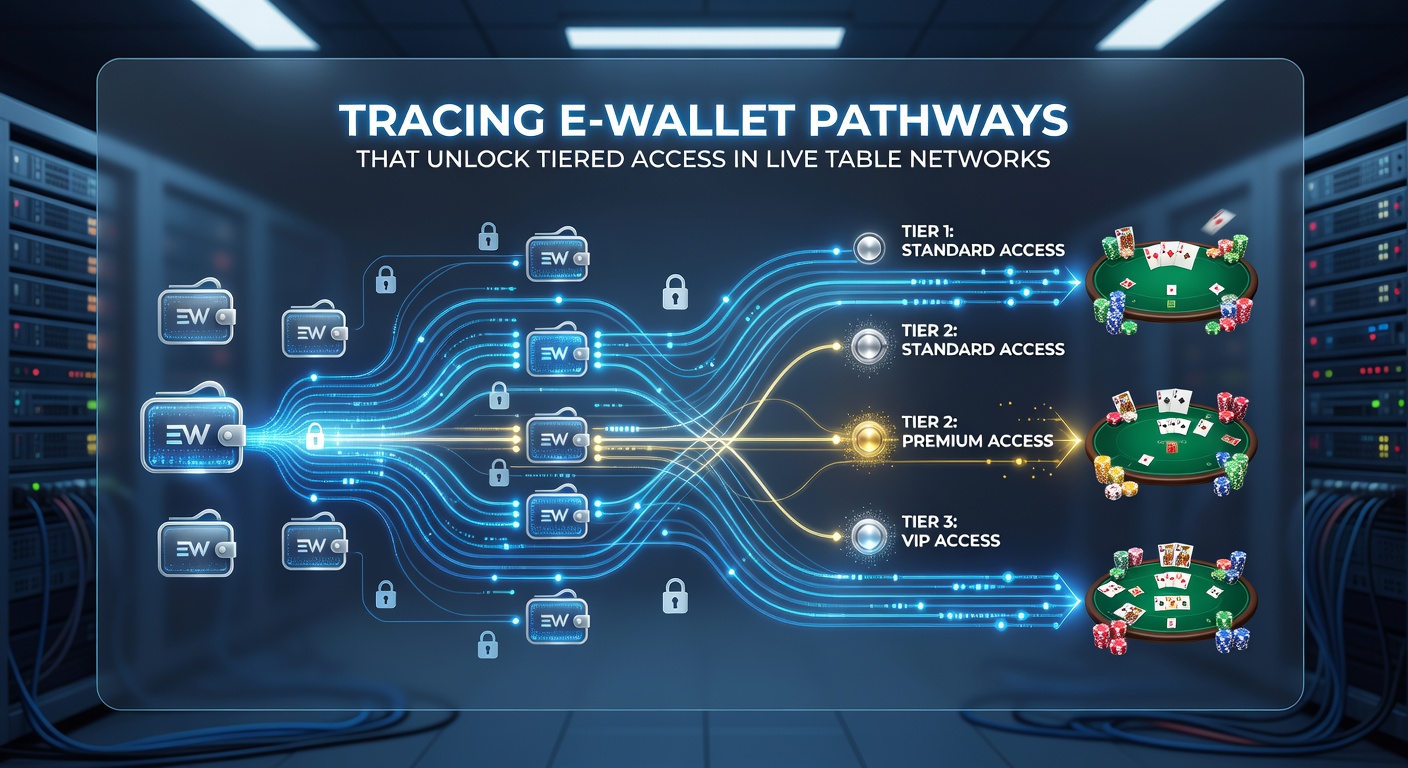
One study from the University of Nevada Reno examined six months of pathway data across three major live table providers and found that players who reached the third tier within thirty days showed a thirty-eight percent higher retention rate than those who remained at entry level. The research linked this outcome to the immediate visibility of unlocked privileges once the e-wallet balance crossed the defined threshold.
Technical Pathways and Data Flow
Data packets travel from the e-wallet provider through an encrypted tunnel into the operator’s compliance database. From there the information branches: one stream updates the player’s financial ledger while another feeds the tier engine that controls table permissions. Live game servers poll the tier engine every few seconds so that newly qualified players see expanded table options the next time they refresh the lobby. Redundancy measures keep the pathway operational even during brief outages at a single payment processor.
Industry groups such as the European Gaming and Betting Association have issued technical standards that recommend uniform data fields for tier-related transactions. These standards allow different platforms to exchange limited pathway information when players move between sites under shared loyalty programs, provided explicit consent has been recorded.
Future Developments Expected by Late 2026
Developers are testing real-time tier adjustments that respond to single large deposits rather than waiting for monthly totals. Early trials show that this approach can increase average session length by twelve percent for players who receive instant access to premium tables. At the same time, machine-learning models are being trained on historical pathway data to predict when a player is likely to qualify for the next tier and to surface relevant table suggestions before the upgrade occurs.
Conclusion
E-wallet pathways have become the primary mechanism that translates financial activity into tiered privileges inside live table networks. The combination of automated tracking, regulatory-compliant logging, and instant permission updates creates a seamless experience for players while giving operators the data needed for compliance and retention efforts. As platforms continue to refine these systems through 2026, the core function remains unchanged: every verified transfer contributes to a visible progression path that determines which tables and features become available next.