Synchronizing E-Payment Timelines with Loyalty Escalation in Handheld Reel Sequences
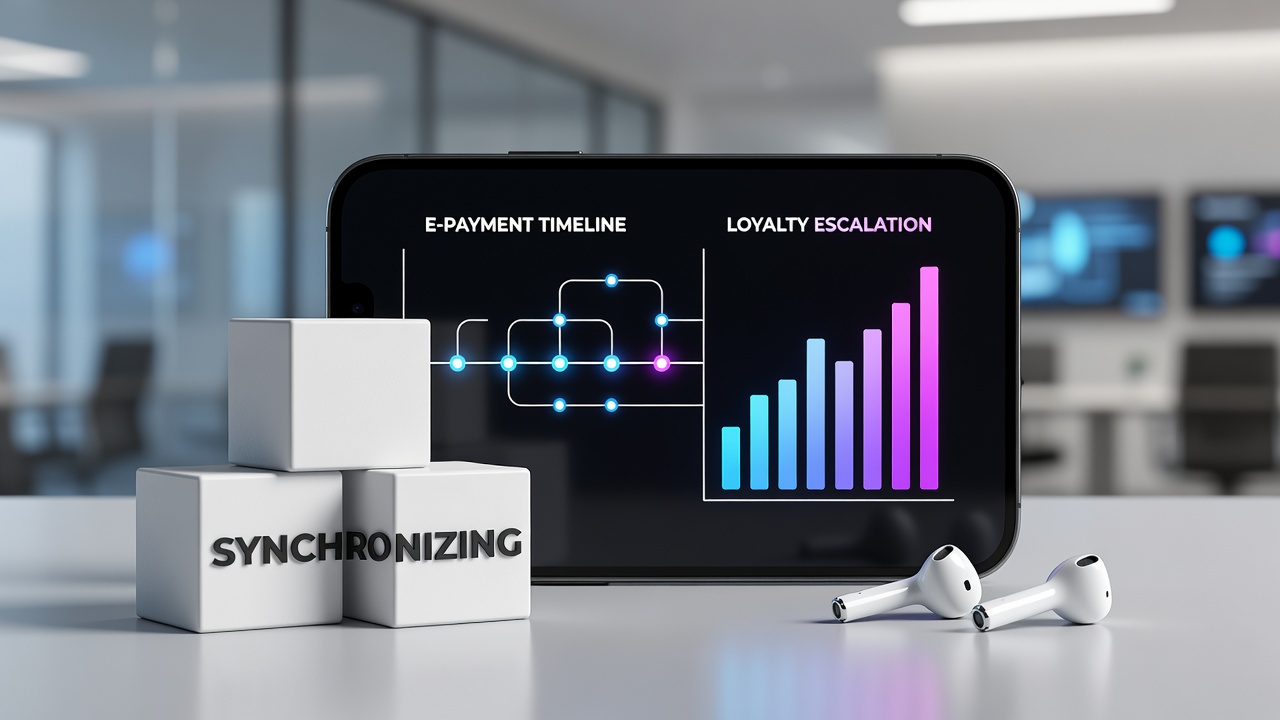
Operators in the mobile gaming sector have integrated e-payment systems directly with loyalty frameworks that respond to activity in handheld reel sequences, and this approach allows transaction confirmations to trigger immediate point accruals or tier advancements within the same app session. Research indicates that such synchronization reduces delays between deposit completion and reward eligibility, while data from industry platforms show processing windows often compressed to under three seconds for verified users.
Handheld reel sequences operate through touch-enabled interfaces that simulate physical slot mechanics, and developers embed API connections that monitor both payment ledgers and loyalty counters in parallel. Observers note that this dual tracking supports escalation paths where rapid deposits coincide with reel spin volumes, and participants advance through bronze, silver, and gold levels based on combined spend and engagement metrics.
Mechanics of E-Payment Integration in Mobile Reel Environments
Payment timelines in these systems rely on tokenization and real-time authorization protocols that feed directly into backend loyalty engines, and this connection ensures that a completed transaction updates player status before the next reel sequence begins. Figures from regulatory filings reveal that platforms handling high volumes of micro-transactions achieve synchronization rates above 98 percent when using standardized digital wallet protocols.
Those who manage handheld applications often deploy event-driven architectures that listen for payment callbacks and simultaneously query loyalty databases, while this method prevents mismatches that could stall escalation. In July 2026, several operators reported expanded use of edge computing nodes that process these dual streams locally on the device, cutting round-trip latency and allowing tier updates to appear within the active game screen.
Loyalty Escalation Patterns Tied to Transaction Speed
Loyalty programs escalate through algorithms that weigh deposit frequency alongside total reel spin counts, and synchronization occurs when payment confirmations serve as the primary trigger for point multipliers. Experts have observed that faster authorization paths correlate with higher retention in tiered structures, as participants receive visual feedback on status changes immediately after each successful transfer.
One documented pattern involves progressive multipliers that activate once a payment clears within a defined window, and this mechanic encourages continued reel play under the newly elevated tier. Data shows that systems employing such timed escalations record measurable increases in session length when transaction confirmations align with spin pacing.
Technical Synchronization Challenges and Current Solutions
Network variability and device resource constraints create occasional desyncs between payment ledgers and loyalty counters, yet developers address these through buffered confirmation queues that reconcile data once connectivity stabilizes. Researchers have documented that fallback mechanisms, including offline point banking followed by server reconciliation, maintain continuity in loyalty progression even during brief interruptions.
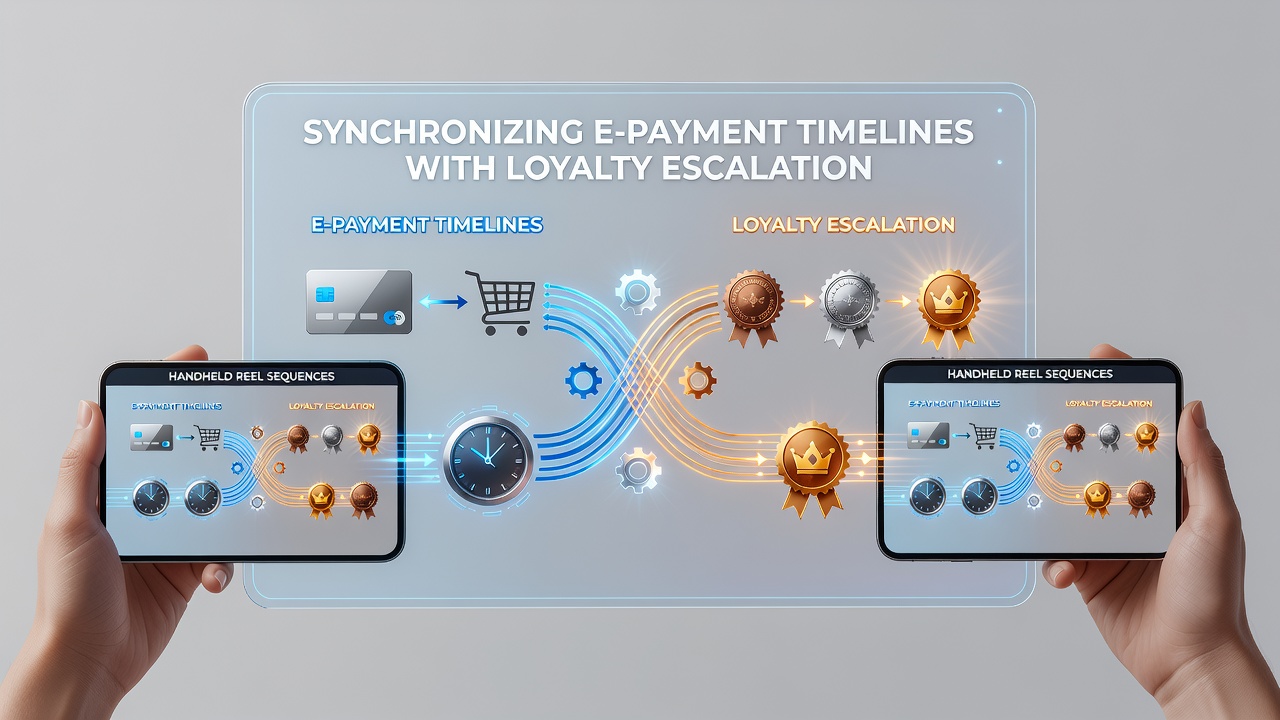
Platforms incorporate checksum validations that cross-reference transaction IDs with loyalty event logs, and this step prevents duplicate or missed escalations. According to statistics released by the Nevada Gaming Control Board, synchronized systems in regulated markets demonstrate lower dispute rates related to delayed reward crediting compared with asynchronous alternatives.
Regional Regulatory Context and Implementation Trends
Regulatory frameworks in multiple jurisdictions require audit trails that capture both payment timestamps and loyalty state changes, and operators must demonstrate that escalation events remain verifiable. A 2026 overview from the Alcohol and Gaming Commission of Ontario highlighted increased scrutiny on timing accuracy for mobile platforms operating within provincial licensing structures.
Implementation varies by region, with some markets mandating maximum allowable delays between payment success and loyalty update, while others focus on transparency reporting. Those who design these sequences continue to refine handshake protocols between financial processors and game servers to meet evolving compliance expectations.
Conclusion
Synchronization of e-payment timelines with loyalty escalation in handheld reel sequences continues to evolve through combined advances in mobile processing power and backend integration standards. Evidence from operational data indicates that tighter alignment between these elements supports consistent player progression across regulated mobile environments, and ongoing refinements in event timing protocols reflect broader industry efforts to maintain reliable reward delivery.