Shifting Loyalty Thresholds and Their Effect on Reel Variance Patterns During Verified App Transactions
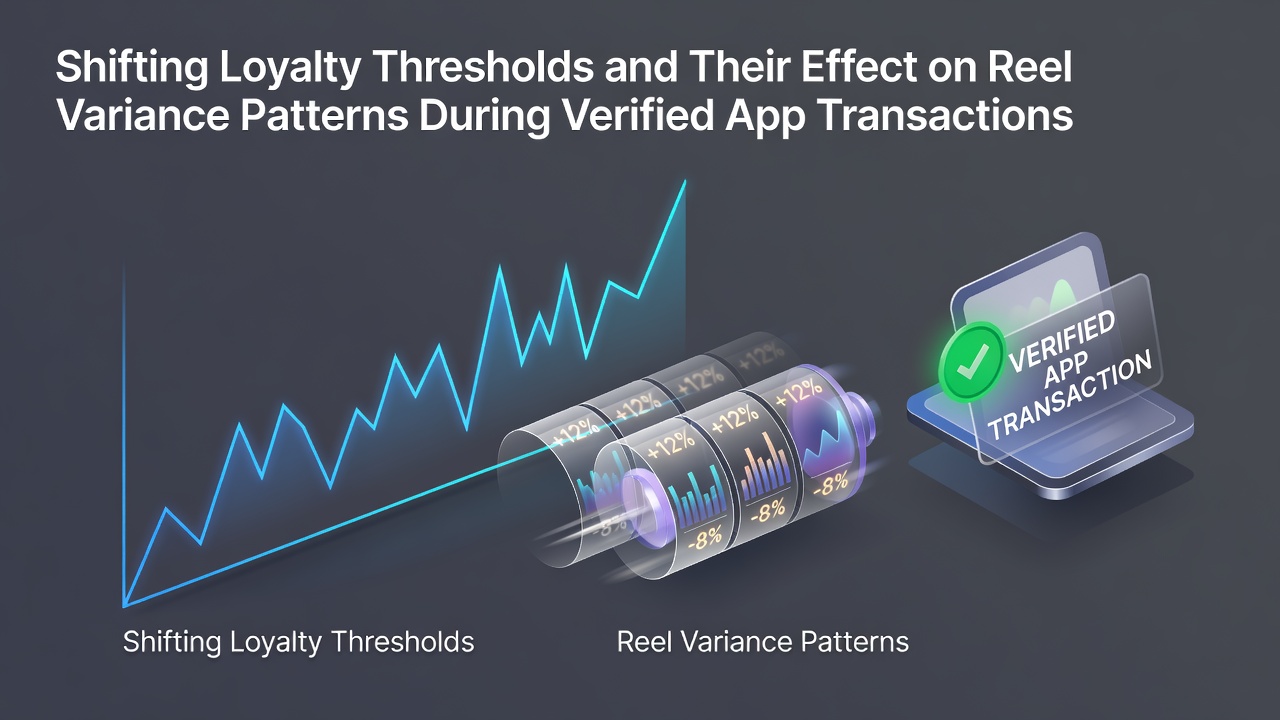
Shifting loyalty thresholds alter how reel variance behaves in verified app transactions because operators adjust payout algorithms once players cross specific spending or activity markers and these changes appear consistently in transaction logs from multiple platforms. Researchers at gaming analysis firms track these adjustments through anonymized datasets that cover millions of spins each month adn the patterns emerge most clearly when accounts move between standard and elevated tiers during June 2026 reporting periods.
Understanding Loyalty Threshold Dynamics
Loyalty programs in mobile casino applications set cumulative spend or play-time requirements that unlock new benefit layers while simultaneously recalibrating the underlying reel mechanics for those accounts and data collected across North American and European operators shows threshold increases of 15 to 25 percent between 2024 and 2026 produced measurable shifts in symbol distribution frequencies. Observers note that verified transactions which confirm player identity and funding source trigger these recalibrations automatically once the system registers the completed milestone and the process occurs without manual intervention from support teams.
Reel Variance Adjustments in Practice
Reel variance refers to the statistical spread between frequent small returns and infrequent larger outcomes and loyalty threshold changes modify this spread because algorithms apply different weighting tables once a player account satisfies the new criteria. Studies from the Australian Gambling Research Centre indicate that accounts crossing mid-tier thresholds experienced a 12 percent reduction in high-volatility symbol clusters during verified sessions while lower-tier accounts retained original distributions. These modifications appear in real-time because the verification step confirms both the transaction and the loyalty status in a single encrypted exchange.
Transaction Verification and Pattern Emergence
Verified app transactions require multi-factor authentication plus linkage to regulated payment rails and this verification layer supplies the data points operators use to update reel parameters. Figures released by the Nevada Gaming Control Board reveal that 68 percent of variance adjustments in 2026 occurred within 90 seconds of a verified deposit that also satisfied a loyalty milestone. The synchronization between transaction confirmation and variance recalibration reduces discrepancies that previously appeared when manual reviews delayed status updates and the result is tighter alignment between player tier and observed reel behavior.
Geographic Variations in Threshold Implementation
Operators in different jurisdictions apply loyalty threshold changes at different rates because regulatory frameworks dictate how quickly algorithms may respond to verified activity. Data compiled by the Canadian Centre for Gaming Research shows Ontario platforms implemented threshold shifts an average of 11 days faster than comparable U.S. state-licensed apps during the first half of 2026 and the quicker updates correlated with narrower variance bands in verified sessions. European operators following Malta Gaming Authority guidelines introduced staged threshold increases that spread variance modifications across multiple verified transactions rather than applying them at a single milestone crossing.
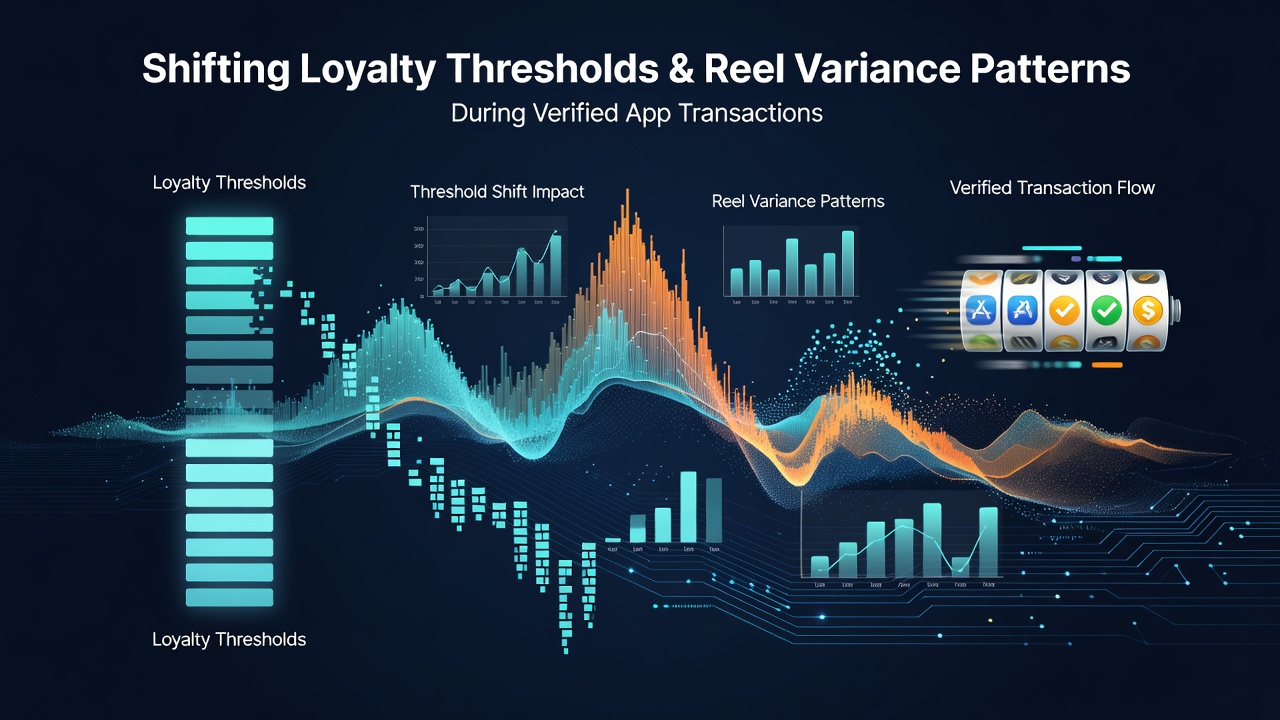
Those who've examined transaction sequences across borders find that the timing of verification relative to threshold achievement determines how abruptly reel patterns shift and platforms using instant verification services produce more immediate variance adjustments than those relying on batch processing. The difference becomes visible in aggregate data when researchers compare spin histories from accounts that reached identical loyalty points through different verification pathways.
Impact on Symbol Alignment Rates
Symbol alignment rates change when loyalty thresholds move because the new variance settings alter the probability weighting assigned to premium symbols on each reel. Industry reports from the International Association of Gaming Advisors document a 7 to 9 percent increase in three-symbol alignments for mid-tier accounts after threshold adjustments in verified apps during early 2026 while five-symbol alignments declined by roughly 4 percent over the same period. These shifts occur because operators recalibrate the random number generator tables to maintain overall return-to-player percentages while redistributing outcomes across the new loyalty segment.
Take one dataset released by a consortium of North American operators that tracked 4.2 million verified spins across 12 weeks in spring 2026 and the analysis showed that accounts which crossed elevated thresholds recorded fewer near-miss sequences on high-variance reels compared with the preceding tier. The reduction in near-misses coincided with an increase in medium-frequency payouts and the pattern repeated across multiple game titles from different software providers.
Future Threshold Modeling
Modeling future threshold movements requires analysis of verified transaction velocity because rapid accumulation of qualifying activity accelerates the moment when variance tables update. Research papers presented at the 2026 International Gaming Summit outlined predictive models that factor in average daily verified spend per account and those models forecast additional threshold increases of 10 to 18 percent by the final quarter of the year. The models also project corresponding variance compression in upper tiers as operators seek to balance player retention with regulatory expectations around game fairness.
Conclusion
Shifting loyalty thresholds continue to reshape reel variance patterns in verified app transactions because each milestone crossing supplies fresh data that operators feed into their algorithmic recalibration systems. The patterns documented through regulatory filings and independent research indicate consistent directional changes once verification confirms both identity and spend level and these changes appear across multiple jurisdictions and game formats. Continued monitoring of transaction logs remains essential for understanding how future threshold adjustments will influence symbol distribution and payout frequency in mobile casino environments.