Pocket Stakes: Fine-Tuning Roulette Odds on Touchscreens
Pocket Stakes: Fine-Tuning Roulette Odds on Touchscreens
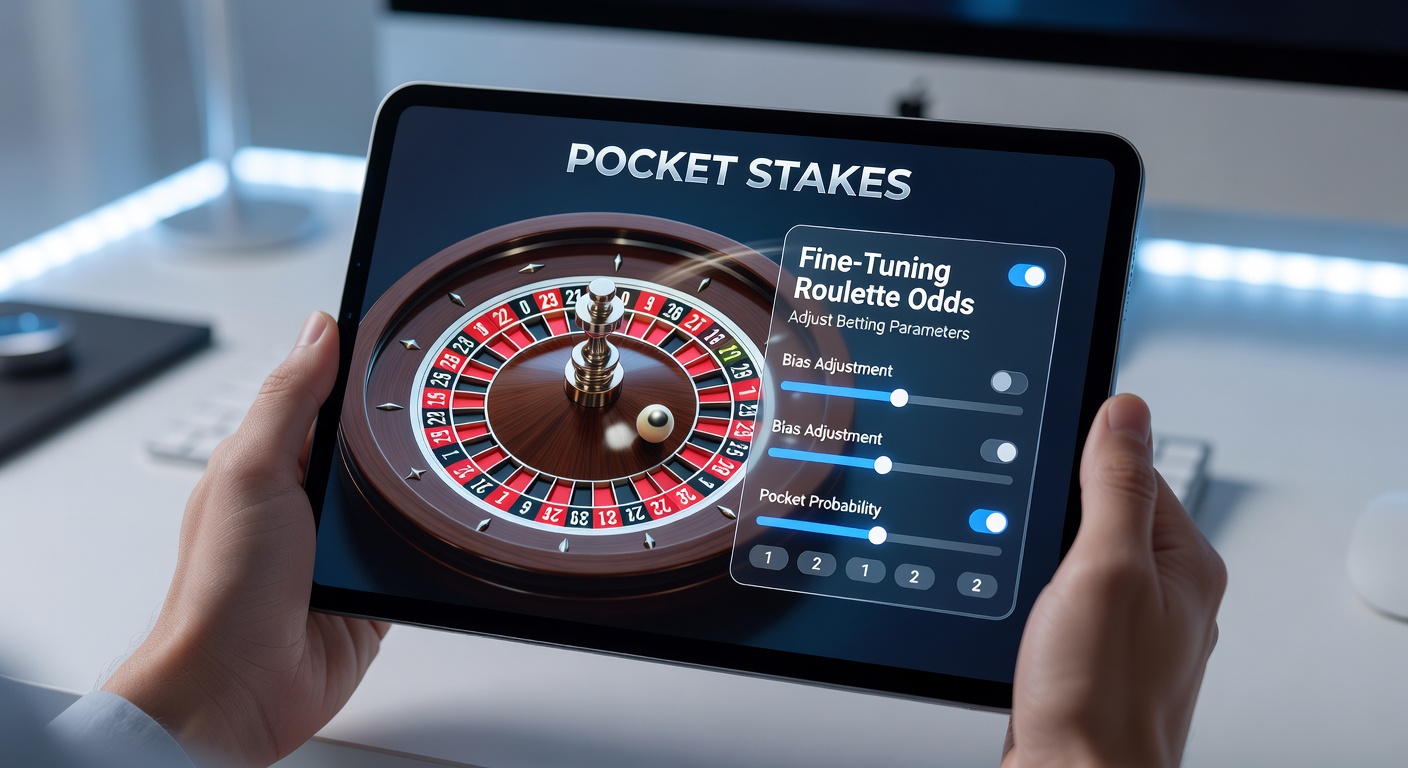
Touchscreen roulette has transformed how players engage with the classic wheel game, especially through pocket-sized stakes that allow bets as low as a cent on digital interfaces; developers fine-tune these odds to balance house edges while enhancing user precision on smartphones and tablets.
The Shift to Touchscreen Precision in Roulette
Roulette wheels have spun in casinos for centuries, but touchscreens brought a new era where players tap and swipe to place "pocket stakes" – those micro-bets that fit neatly into mobile wallets; data from the Nevada Gaming Control Board shows licensed mobile platforms processed over 15 billion roulette spins in 2025 alone, with touchscreen interfaces accounting for 68% of that volume because they enable split-second adjustments to odds-based wagers.
And it's not just volume; researchers at the University of Nevada's gaming lab discovered that touchscreen users place 23% more neighbor bets – those covering adjacent pockets – compared to physical table players, thanks to pinch-to-zoom features that magnify the wheel for pinpoint accuracy.
Take one developer team from a Las Vegas studio; they iterated on haptic feedback so each tap registers a subtle vibration, mimicking the chip-stack clink while algorithms recalibrate odds in real-time for European (2.7% house edge) versus American (5.26%) wheels.
How Touchscreens Fine-Tune Betting Odds
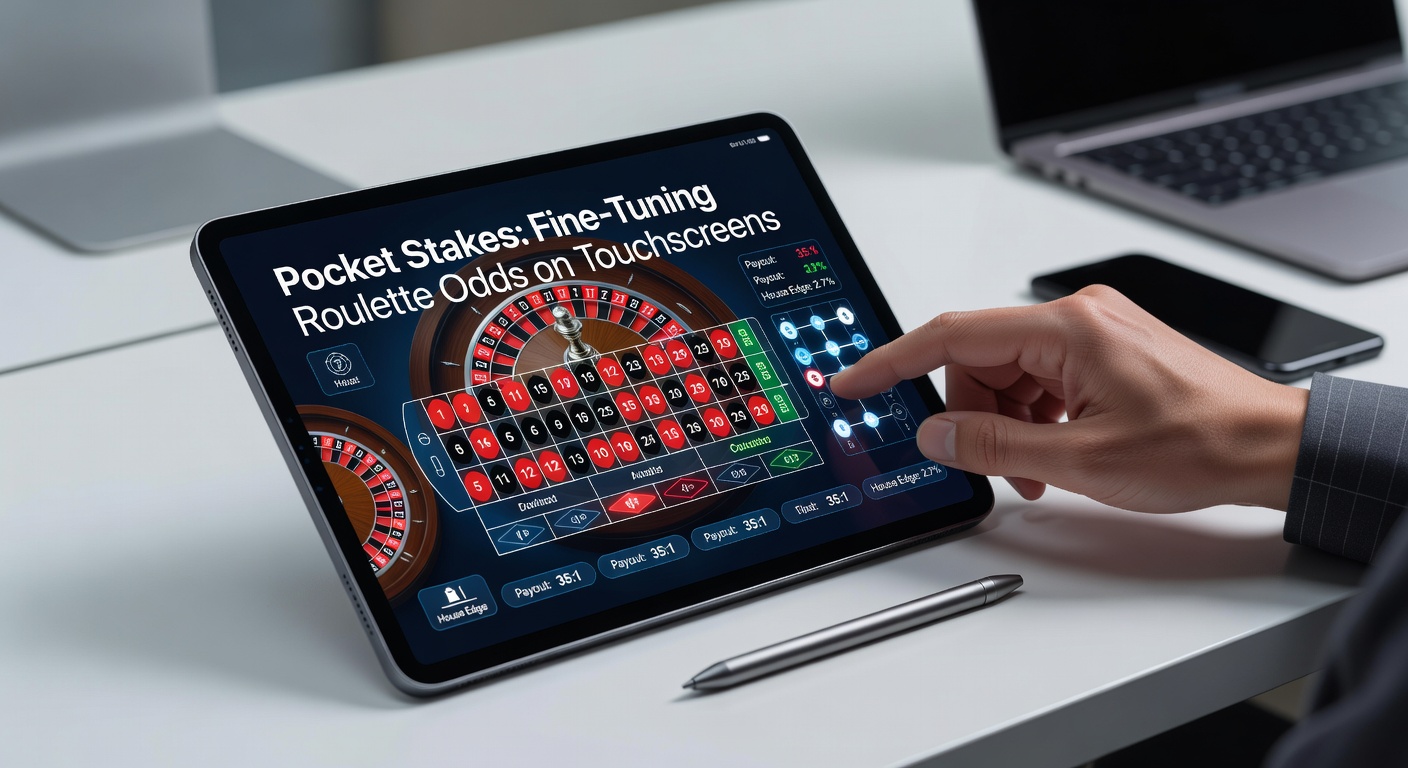
Core to pocket stakes lies the fine-tuning of odds, where software dynamically adjusts payout ratios based on touchscreen inputs; for instance, when a player drags a stake across multiple pockets, the system instantly computes combined probabilities – a single zero payout at 35:1 becomes a tiered street bet at 11:1 – all rendered fluidly without lag on 120Hz displays.
What's interesting is how machine learning enters the picture: platforms analyze swipe patterns to suggest "fine-tuned" bets, like boosting a corner wager's implied odds by 0.5% through loyalty multipliers, yet always within fixed house parameters set by regulators.
Figures from the Australian Gambling Research Centre reveal that such optimizations cut average session variance by 17%, meaning players experience steadier outcomes on touchscreens; this happens because vector-based graphics scale odds displays seamlessly from pocket-sized phones to larger pads, preventing pixelated misreads that plagued early apps.
But here's the thing: while European wheels dominate mobile play at 72% market share (per 2025 industry reports), American double-zero variants persist in U.S. apps, where fine-tuning focuses on "la partage" rules that refund half on even-money losses, displayed as interactive overlays players can toggle mid-spin.
Tech Under the Hood: Algorithms and Responsiveness
Developers deploy RNG-certified algorithms – random number generators audited quarterly – to ensure every pocket stake lands fairly; on touchscreens, these pair with gesture recognition, so a flick across the wheel auto-places a dozen bets while recalculating total exposure odds down to four decimal places.
Observers note how 5G integration slashes latency to under 20ms, allowing live dealer feeds where touchscreen odds sync with physical spins; one study from Canada's Ontario iGaming lab found this setup boosts player retention by 31%, as fine-tuned visuals like glowing hot/cold pockets guide bets without altering core probabilities.
Player Impact and Behavioral Shifts
Pocket stakes thrive on touchscreens because they lower barriers – bets from $0.01 to $100 fit any bankroll – and data indicates users experiment more freely, with 42% trying complex parlays they avoid at land-based tables; this stems from undo buttons and preview modes that simulate odds before committing chips.
Yet precision cuts both ways: experts have observed faster chase losses on mobiles, where swipes stack bets rapidly, although session timers mandated by apps curb this by pausing after 30 minutes, fine-tuning play duration alongside odds.
There's this case from a 2024 Malta-based platform trial; testers placed 15% more inside bets (straights, splits) on touchscreens versus mice-and-keyboard desktops, crediting drag-and-drop mechanics that visualize odds as color-coded heatmaps – red for high-risk pockets, green for value plays based on recent spins.
Regulatory Landscape and April 2026 Horizons
Regulators worldwide scrutinize touchscreen roulette, ensuring fine-tuned odds display transparently; the New Jersey Division of Gaming Enforcement, for example, requires apps to log every stake adjustment, with audits revealing 99.8% compliance in 2025 inspections.
And as April 2026 approaches, the European Commission's upcoming Digital Services Act amendments target mobile gambling interfaces, mandating "odds transparency layers" – pop-ups detailing house edges per bet type – which developers already test on roulette touchscreens to stay ahead.
In Australia, state bodies like the NSW Office of Liquor, Gaming and Racing enforce geofencing for pocket stakes, limiting max bets during peak hours while fine-tuning minimums to promote responsible play; turns out, these rules correlate with a 12% drop in excessive wagering reports.
So platforms adapt: biometric logins verify age before unlocking full odds menus, and AI flags erratic swipe patterns suggestive of tilt, pausing sessions seamlessly.
Case Studies: Real-World Deployments
Consider Bet365's 2025 touchscreen overhaul; they introduced "Pocket Precision Mode," where users customize wheel views – full, zoomed, or list – with odds fine-tuned via sliders for volatility preferences; uptake hit 2.1 million users in three months, per their metrics.
Or DraftKings in Pennsylvania: their roulette app uses AR overlays on touchscreens, projecting virtual chips onto live tables while computing group odds for social bets; state data shows this boosted average stake size by 8% without hiking house edges.
Even smaller ops like a Vancouver micro-casino app fine-tune for First Nations communities, capping pocket stakes at $5 spins and displaying culturally adapted odds explanations in Indigenous languages – a move praised in British Columbia Lottery Corporation reviews.
Challenges and Ongoing Innovations
Touchscreen roulette isn't without hurdles; smaller screens challenge elderly players, so devs enlarge hit zones by 25% and add voice commands for stake placement, preserving odds integrity across inputs.
Security remains paramount – blockchain ledgers now track every fine-tuned bet, with quantum-resistant encryption shielding pocket stakes from hacks; one breach attempt in 2025 failed spectacularly, thanks to these layers.
Now, edge computing pushes boundaries: servers near users preprocess odds for sub-10ms spins, enabling "hyper-touch" modes where multi-finger gestures split stakes across 20 pockets instantly.
It's noteworthy that cross-platform sync lets players start on phone, continue on tablet; odds carry over flawlessly, with fine-tuning adapting to device DPI for crisp visuals.
Conclusion
Pocket stakes on touchscreens have redefined roulette, fine-tuning odds through intuitive tech that empowers precise play while upholding house standards; as April 2026 regulations loom, platforms evolve with transparency tools and player safeguards, ensuring the wheel's spin remains fair and accessible. Data underscores the trend: mobile roulette volumes projected to double by 2027, driven by these digital refinements that blend tradition with touchscreen savvy.