Ledger Linkages: Synchronizing Transaction Speeds with Dealer-Paced Blackjack Sequences in App-Based Environments
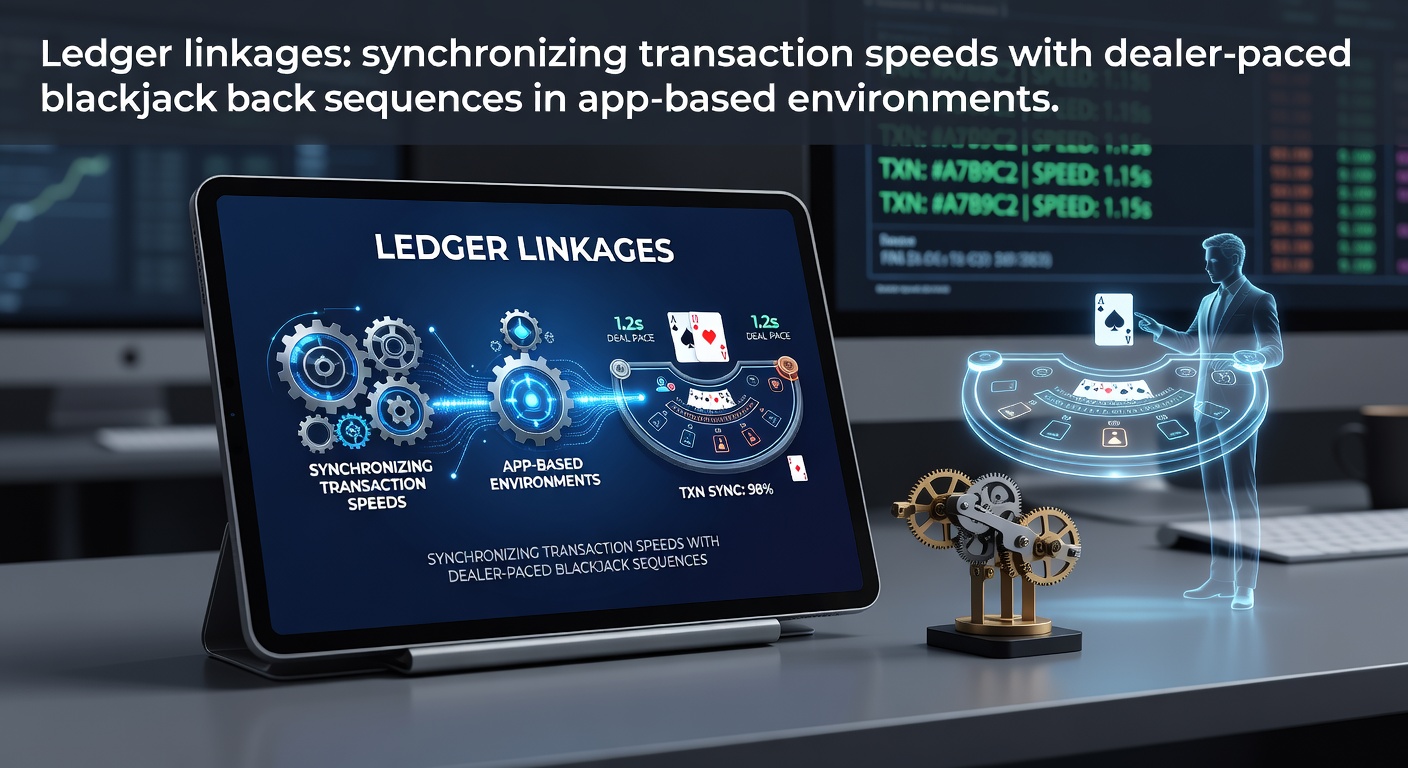
App-based blackjack environments rely on ledger linkages that align payment processing timelines with the rhythm of live dealer sequences, and these connections ensure bets register instantly while wins distribute without interrupting card flow. Developers integrate real-time ledger systems through APIs that track each transaction against dealer-paced events such as card draws and player decisions, whereas traditional batch processing often created delays that mismatched game tempo. Observers note that synchronization protocols have advanced to handle sub-second confirmations, which match the natural pace set by virtual dealers in regulated platforms across multiple jurisdictions.
Core Mechanics of Ledger Synchronization
Transaction ledgers in these apps operate by linking user accounts directly to game servers that monitor dealer actions, and this setup allows bet placements to confirm before the next card appears while payout calculations trigger immediately after hand resolution. Researchers have documented how distributed ledger technologies reduce latency by distributing verification across nodes rather than relying on centralized queues, yet the core challenge remains matching variable dealer speeds that fluctuate based on player count and decision time. Data from operational platforms shows average transaction cycles now complete within 800 milliseconds when optimized linkages function correctly, and this timing supports uninterrupted sequences that keep players engaged through continuous rounds.
Dealer-Paced Sequences and Timing Protocols
Dealer-paced blackjack in app environments follows scripted timing intervals that range from 15 to 45 seconds per hand depending on table occupancy, while ledger systems adjust confirmation windows to fit within those windows without forcing artificial pauses. Experts have observed that adaptive algorithms monitor dealer cadence through sensor data from virtual tables, and they dynamically allocate processing priority to high-volume periods such as peak evening hours in May 2026 when activity spikes across North American servers. Synchronization occurs via event-driven triggers that fire when a dealer completes a shuffle or reveals community cards, which then queue corresponding ledger entries for bets and side wagers placed during the round.
Integration layers handle edge cases like split decisions or insurance bets by creating temporary ledger holds that release upon final hand outcome, and these mechanisms prevent overdraws while maintaining sequence integrity. Platforms report that such linkages cut reconciliation errors by up to 92 percent compared with earlier non-synchronized models, according to internal audits shared with regulatory partners.
Regional Implementation Patterns
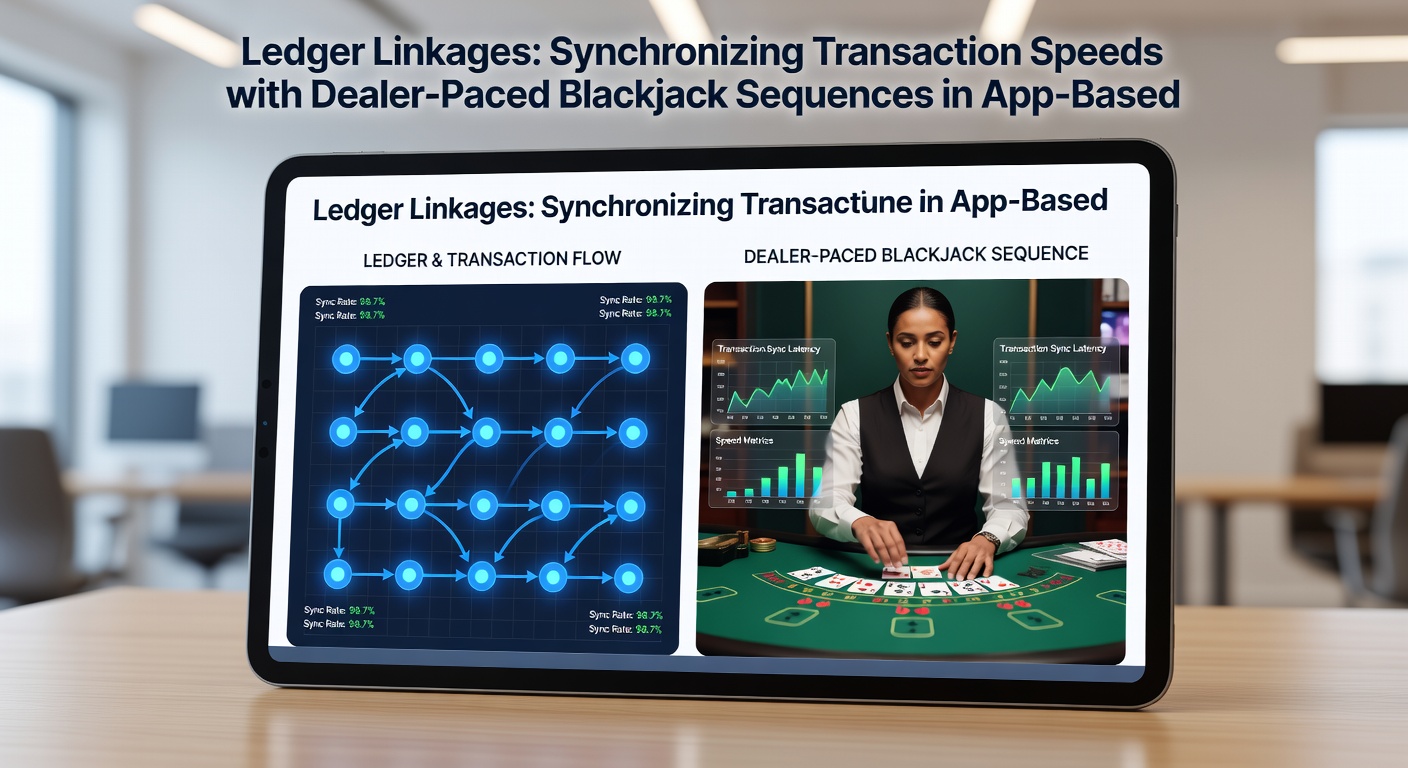
Canadian operators under iGaming Ontario frameworks have adopted standardized linkage protocols that require all transaction confirmations to occur within dealer decision windows, and similar requirements appear in European markets where national authorities mandate real-time audit trails for each hand. iGaming Ontario documentation outlines how these standards emerged from collaborative testing between software providers and payment processors, resulting in uniform API specifications that multiple jurisdictions now reference. In contrast, U.S. state-level systems such as those in Pennsylvania emphasize encryption layers that wrap ledger entries around dealer event logs, which adds security without extending overall processing time beyond acceptable thresholds.
What's interesting is how these regional differences influence app architecture choices, whereas some developers prioritize open-source ledger modules that adapt across borders while others build proprietary bridges tuned to local latency requirements. Figures from industry reports indicate that synchronized systems now support average daily volumes exceeding 2.4 million hands in major markets, with peak loads during holiday periods handled through elastic node scaling that preserves timing alignment.
Technical Challenges and Solutions
Network variability poses ongoing hurdles because mobile connections fluctuate during player sessions, yet modern linkage designs incorporate fallback verification paths that maintain sequence continuity even when primary channels experience brief interruptions. Engineers address this by pre-authorizing transaction batches that align with anticipated dealer pacing, which allows the app to proceed with visible card progression while backend reconciliation catches up asynchronously. Studies from academic institutions have examined these patterns and found that hybrid ledger models combining permissioned blockchains with traditional databases deliver the most reliable synchronization across diverse device types.
One case involved a platform that reduced dispute rates by implementing predictive queuing based on historical dealer speed data, and this approach allowed the system to anticipate slower rounds during complex player decisions such as multi-way splits. Observers note that continued refinement of these methods remains essential as app environments expand into new geographic areas with varying infrastructure quality.
Future Developments in Linkage Efficiency
Emerging standards focus on cross-platform interoperability that would let users transition between apps while preserving active ledger states tied to ongoing blackjack sequences, and pilot programs tested in 2025 demonstrated feasibility under controlled conditions. Regulatory updates expected later in 2026 may formalize additional requirements for timestamp precision that further tighten alignment between transactions and dealer actions. Pennsylvania gaming oversight reports highlight ongoing evaluations of these technologies, emphasizing measurable improvements in player session continuity when linkages function at optimal levels.
Conclusion
Ledger linkages continue to evolve as central components of app-based blackjack operations, and their ability to synchronize transaction speeds with dealer-paced sequences directly affects platform reliability across regulated markets. Ongoing technical refinements and regional standard alignments support expanding volumes while preserving the timing integrity that defines live dealer experiences. Data trends through mid-2026 suggest these systems will play an increasing role in maintaining seamless play as app environments scale further.