Interplay Between Jurisdictional Rules and Multi-Platform Access Continuity for Exclusive Membership Benefits in Virtual Betting Spaces

Virtual betting spaces operate under layers of jurisdictional oversight that directly shape how operators maintain consistent access to exclusive membership benefits when users switch between platforms, and data from regulatory filings shows these rules vary sharply by region while still requiring seamless continuity for tiered rewards. Observers note that membership programs in these environments often tie benefits such as personalized odds adjustments, priority table access, and accumulated loyalty points to verified user profiles that must remain active regardless of device or location shifts.
Core Elements of Jurisdictional Oversight
Jurisdictional frameworks establish the boundaries within which virtual betting operators must verify user eligibility and sustain benefit delivery, and researchers tracking compliance patterns across multiple markets indicate that licensing conditions frequently mandate real-time identity checks that persist even as sessions migrate from desktop to mobile interfaces. In practice this means operators embed geo-fencing protocols and account synchronization tools that align with local statutes, allowing members to retain progress toward higher reward tiers without resetting when they cross regulatory lines.
Take one operator active in several North American jurisdictions who integrated centralized player databases in early 2026, enabling continuity for loyalty escalators while satisfying each region's distinct reporting requirements. Figures from industry reports reveal that such integrations reduced access interruptions by measurable margins during the first half of the year, particularly around June when several platforms updated their cross-border verification systems ahead of seasonal traffic spikes.
Multi-Platform Access Mechanisms
Multi-platform continuity relies on backend architectures that store membership states in cloud-linked ledgers accessible through secure APIs, and studies conducted by gaming technology consortia demonstrate that these systems preserve exclusive perks like accelerated point multipliers or private event invitations irrespective of whether a user logs in via app, browser, or connected device. Operators achieve this by maintaining persistent session tokens that carry verified status flags across platforms, yet they must still enforce jurisdiction-specific pauses or restrictions when users enter zones with tighter controls.
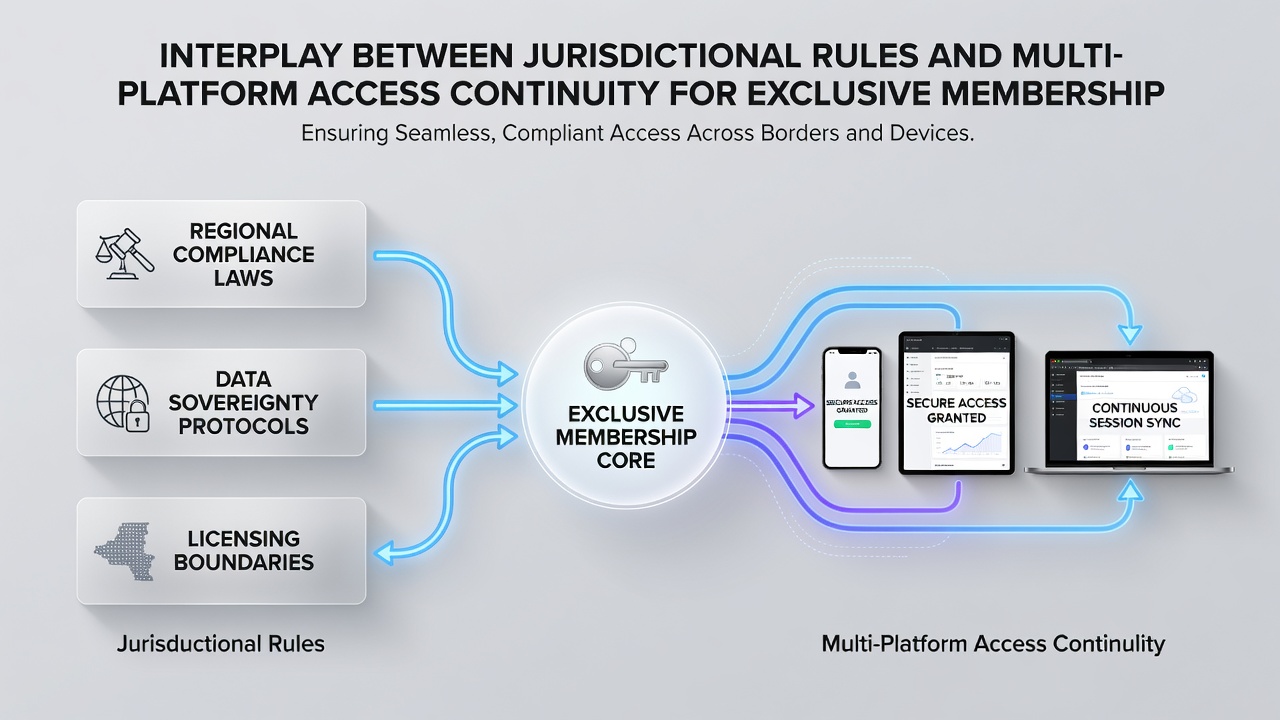
What's interesting here is how synchronization occurs without violating local rules, since operators deploy conditional access layers that activate only after confirming the user's current regulatory footprint. Data indicates that platforms handling high volumes of cross-device traffic in mid-2026 achieved stable benefit delivery by combining blockchain-based audit trails with traditional database replication, ensuring that tier upgrades remain visible and functional the moment a player reconnects from a new location.
Challenges in Maintaining Exclusive Benefits
Conflicts arise when one jurisdiction imposes stricter self-exclusion or spending-limit rules that affect benefit eligibility tracked across platforms, and evidence from compliance audits shows operators responding with segmented account profiles that isolate restricted elements while preserving non-conflicting rewards. Those who have examined these setups observe that successful continuity often depends on granular permission matrices updated in real time, allowing members to keep core loyalty status intact even when certain high-value features become temporarily unavailable.
According to reports published by the Canadian Gaming Association, several operators refined their multi-jurisdiction protocols during spring 2026 to handle exactly these scenarios, resulting in documented improvements in member retention metrics for exclusive tiers. Yet the same reports highlight ongoing technical demands around latency management, since delayed synchronization can temporarily block access to benefits that users expect to remain constant.
Regulatory Adaptations Observed in 2026
By June 2026 regulatory bodies in multiple regions had begun issuing updated guidance on cross-platform data sharing for membership programs, and this guidance emphasizes encryption standards plus audit logging that support benefit continuity without compromising jurisdictional authority. Operators adapting quickly incorporated these standards into their existing frameworks, producing smoother transitions for users who move between licensed virtual spaces while retaining accumulated advantages.
One documented case involved a European-licensed platform coordinating with Australian regulatory requirements to keep loyalty escalators functional for traveling members, using standardized data exchange formats that satisfied both sets of rules. Research indicates such adaptations are becoming standard practice as virtual betting volumes grow and platforms seek to avoid disruptions that could erode member engagement.
Conclusion
The interplay between jurisdictional rules and multi-platform continuity ultimately determines whether exclusive membership benefits in virtual betting spaces deliver consistent value across devices and borders. Mechanisms developed through 2026 demonstrate that operators can meet diverse regulatory demands while preserving the core functionality members rely upon, provided backend systems remain both flexible and precisely aligned with each jurisdiction's parameters. Continued refinement of these systems will shape how benefits evolve alongside expanding regulatory landscapes.