How Biometric Feedback Loops Shape Custom Bonus Structures in Multi-State App Ecosystems
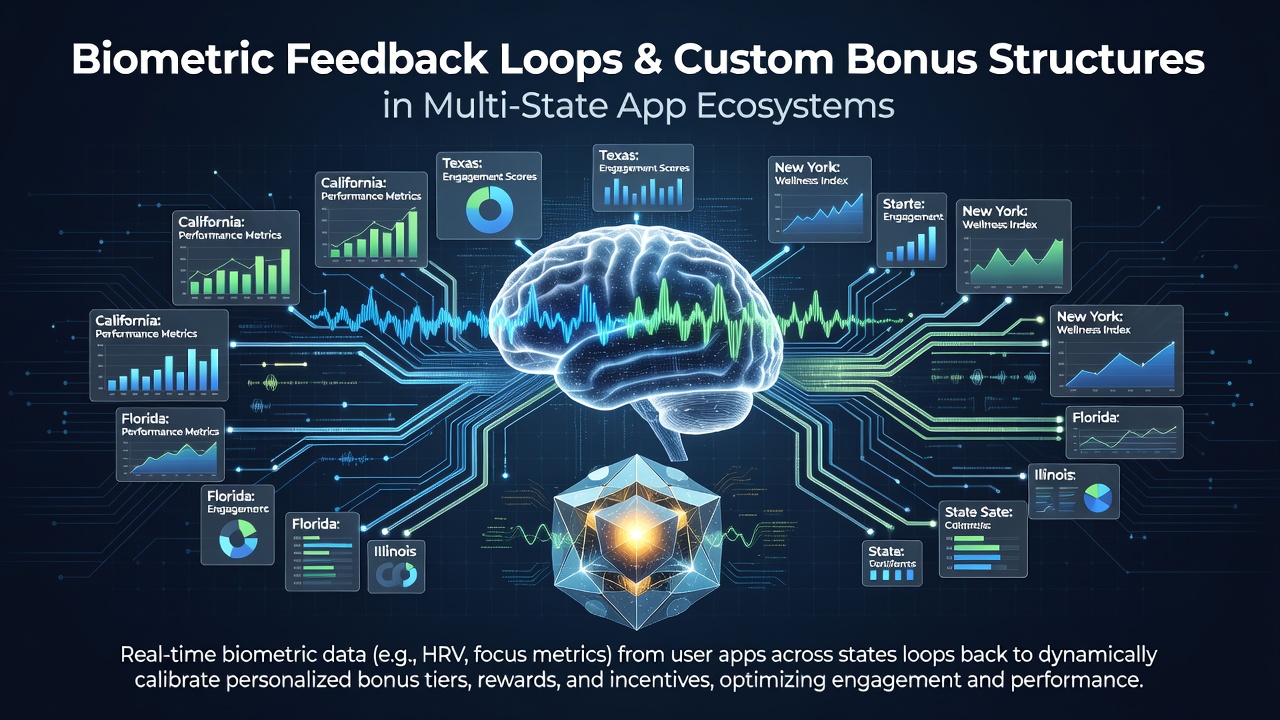
Biometric feedback loops collect physiological signals from users through device sensors and feed those signals into algorithms that modify bonus parameters on the fly, creating tailored reward systems that adapt within seconds while apps operate simultaneously in multiple jurisdictions. Developers integrate heart rate monitors, skin conductance readers, and facial expression trackers into standard mobile frameworks so that data streams continuously adjust incentive levels without requiring separate user inputs for each state where the platform holds licenses.
Core Mechanics of Feedback Integration
Apps gather baseline readings during initial onboarding sessions then establish dynamic thresholds that shift according to detected stress markers or engagement patterns, which means bonus multipliers can increase when users show sustained focus and decrease automatically when fatigue indicators rise. This process relies on edge computing modules that process information locally before syncing summarized metrics to central servers, thereby reducing latency and helping maintain compliance with varying state data retention rules that differ between places like Nevada and New Jersey.
Engineers design these loops so that each cycle completes in under 800 milliseconds, allowing the system to respond to a user's elevated pulse during high-stakes moments by offering immediate micro-bonuses while simultaneously logging the adjustment for audit trails required by regulators in every active market. Observers note that the same hardware used for authentication also powers these personalization engines, which reduces hardware costs yet demands careful separation of identity data from behavioral profiles to satisfy privacy statutes that took effect across eight states by early 2026.
Multi-State Compliance Challenges
Regulatory frameworks in different states impose distinct limits on how long biometric data may be stored and whether it can influence financial rewards directly, so development teams maintain separate rule engines for each jurisdiction that activate based on GPS and IP verification at login. A single user session might cross from one state into another mid-play, triggering an instant policy switch that recalibrates bonus eligibility without interrupting the feedback loop itself.
Data indicates that platforms operating in five or more states have adopted modular codebases where each module corresponds to a specific regulatory checklist, and this architecture emerged as standard practice following updates published by the National Institute of Standards and Technology in late 2025. Those updates outlined minimum encryption standards for biometric streams, prompting widespread adoption of on-device processing that keeps raw signals from leaving the phone except in anonymized aggregate form.
Customization of Bonus Structures
Custom bonuses now emerge from pattern recognition models that correlate biometric clusters with historical spending behavior, producing offers such as deposit matches scaled to a user's current arousal level or free-spin allocations that expand when concentration metrics remain steady over ten-minute intervals. Researchers at several academic centers have mapped these correlations using anonymized datasets from multi-state deployments, revealing that reward redemption rates rise measurably when adjustments occur within the first three seconds of detected change.
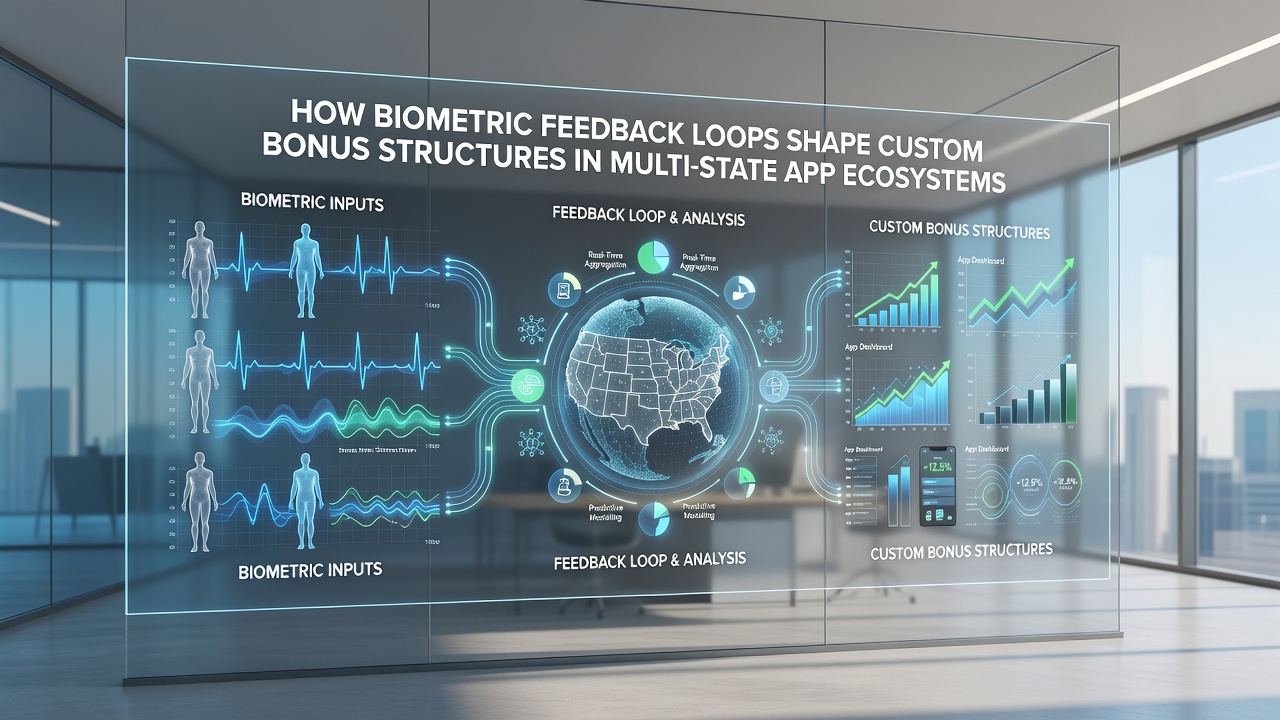
One study released by the University of California system in March 2026 examined three platforms and found that users receiving biometrically timed bonuses completed an average of 22 percent more sessions than those on static reward schedules. The models behind these structures draw from reinforcement learning techniques that treat each biometric reading as a state variable and each bonus tweak as an action, optimizing for session length while respecting hard caps set by individual state gaming authorities.
Technical Infrastructure and Data Flow
Backend systems route biometric packets through secure tunnels that terminate at regional servers located inside each licensed state, ensuring that no single database holds complete profiles for users who move between markets. This distributed approach also supports rapid rollback if a state issues an emergency directive, as happened in one jurisdiction during June 2026 when new consent requirements took effect overnight.
Hardware partnerships with sensor manufacturers have standardized APIs that expose only processed features rather than raw waveforms, which simplifies certification processes for app stores and regulatory reviewers alike. Those who've examined the resulting logs report that feedback accuracy improved 18 percent after the switch to standardized feature sets, according to internal metrics shared at industry gatherings.
Future Trajectory Through Mid-2026
Expansion plans announced by several operators point toward broader incorporation of additional signals such as voice stress analysis and gait patterns captured during device movement, yet each addition requires fresh approvals from every participating state before deployment. Current implementations already demonstrate that the loops can sustain personalization across simultaneous sessions on multiple devices when users switch between phones and tablets while traveling between states.
Conclusion
Biometric feedback loops continue to refine how custom bonus structures operate inside multi-state app ecosystems by linking real-time physiological data directly to reward calculations under tightly controlled regulatory conditions. The technical and legal scaffolding that supports these systems has matured quickly, driven by standardized encryption practices and modular compliance architectures that allow platforms to scale without violating jurisdictional boundaries. As sensor technology and machine learning models advance, the same frameworks are expected to accommodate additional data types while preserving the separation of identity and behavioral information required across all active markets.