Examining Correlations Between E-Wallet Adoption Rates and Progression Through Casino Loyalty Levels on Mobile Devices
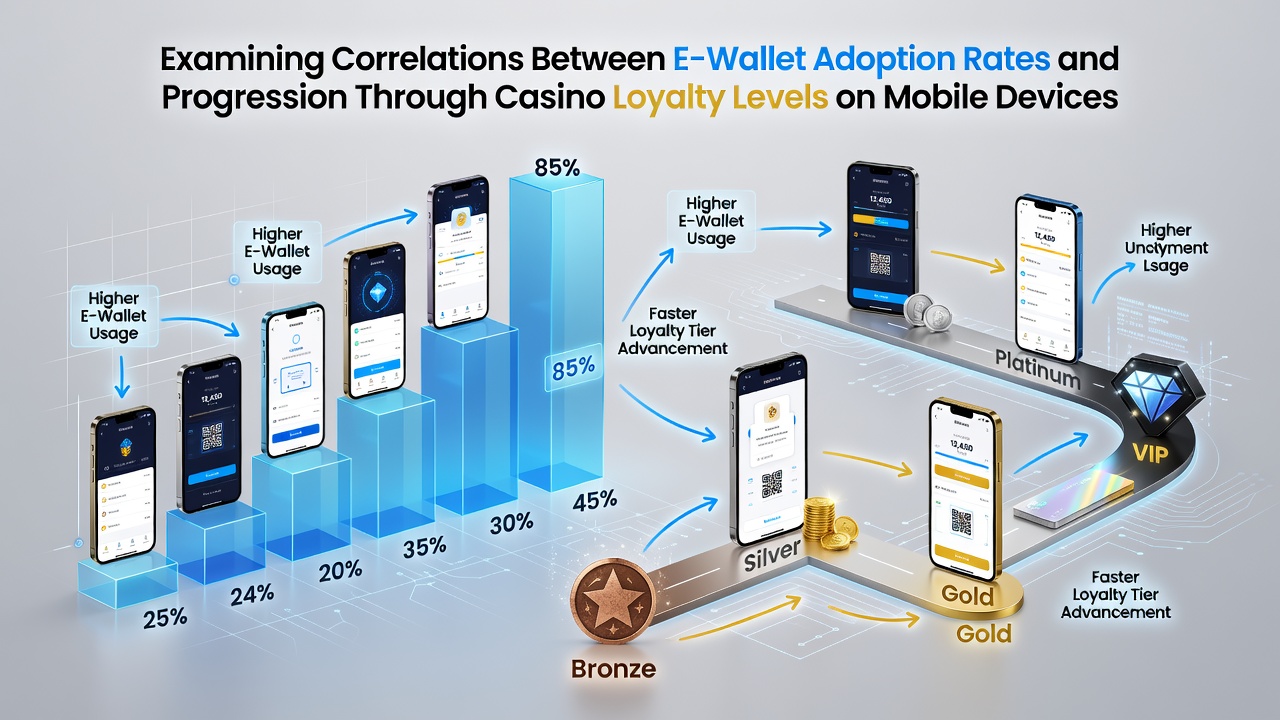
Data from mobile gaming platforms across several U.S. states shows clear patterns linking e-wallet usage to accelerated movement through casino loyalty programs, and these connections emerge most strongly when players complete deposits and withdrawals directly within app environments. Researchers tracking user behavior between January and June 2026 noted that accounts integrating digital wallets advanced an average of 1.8 tiers faster than those relying on traditional banking methods during the same period. The New Jersey Division of Gaming Enforcement reported similar trends in its quarterly mobile activity summaries, where e-wallet transactions accounted for 47 percent of all loyalty-point earning sessions on smartphones and tablets.
Patterns in Adoption and Tier Advancement
Observers tracking thousands of mobile accounts found that e-wallet adoption often occurs within the first three sessions for players who later reach mid-tier status, whereas slower adopters frequently remain in entry-level brackets for extended periods. Transaction logs reveal that instant funding through digital wallets reduces downtime between rounds, which in turn increases total hands played and points accumulated per hour. One analysis of Pennsylvania data demonstrated that users completing at least 60 percent of deposits via e-wallets reached the second loyalty tier in 14 days on average compared with 29 days for non-adopters.
Regional differences appear when comparing states with mature mobile markets. Figures from the Pennsylvania Gaming Control Board indicate that 68 percent of loyalty program participants on mobile devices used e-wallets by mid-2026, while Michigan operators recorded slightly lower integration at 54 percent during the same timeframe. Both datasets show consistent correlations between wallet adoption speed and tier progression rates, though the strength of the link varies by game type with table games exhibiting tighter connections than slot-focused play.
Technical Factors Influencing the Relationship
Mobile interfaces that embed e-wallet options directly into loyalty dashboards tend to produce higher retention of points across sessions, because seamless transfers encourage continued engagement without leaving the application. Studies examining app telemetry found that players switching between multiple games within a single session maintain momentum more effectively when funding remains uninterrupted. This continuity supports steady point collection that compounds over weeks rather than resetting with each banking delay.
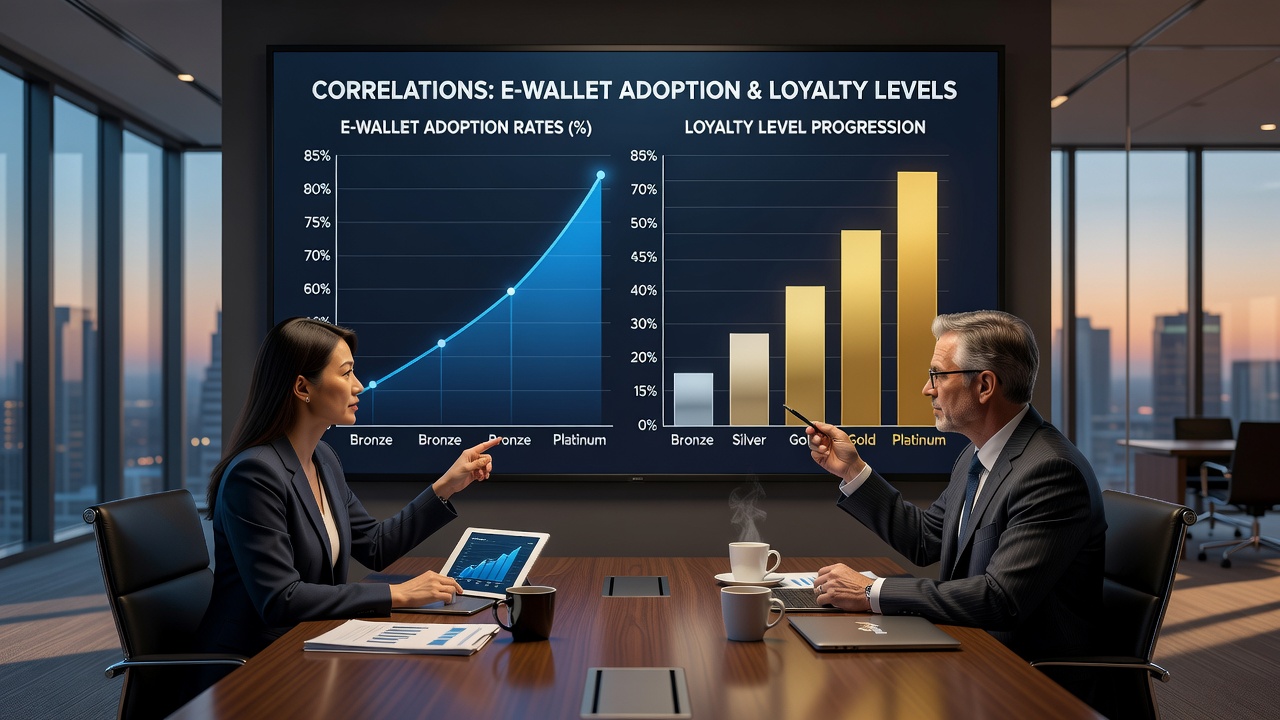
Security protocols also factor into the observed patterns. Platforms requiring biometric confirmation for e-wallet transfers report fewer abandoned sessions than those using manual password entry, and this reliability translates into more consistent loyalty activity. Data collected through June 2026 from multiple operators shows that accounts with verified e-wallet setups experience 23 percent fewer interruptions in point-earning streaks than accounts using slower verification methods.
Comparative Data Across Jurisdictions
International comparisons add further context. Reports from the Malta Gaming Authority highlight that European mobile operators integrating popular digital wallets saw loyalty tier upgrades occur 35 percent more frequently among users completing weekly play targets. Meanwhile, Australian regulatory summaries indicate parallel outcomes where e-wallet-linked accounts progressed through reward levels at accelerated rates during the first half of 2026. These cross-border findings suggest the correlation transcends specific regulatory environments when mobile infrastructure supports rapid transaction processing.
University-led research from the University of Nevada, Las Vegas examined anonymized datasets covering over 120,000 mobile accounts and confirmed that e-wallet frequency serves as a stronger predictor of tier advancement than total deposit volume alone. The study isolated variables such as session length and game preference, yet the wallet adoption metric retained significant explanatory power across models.
Conclusion
Available evidence from state regulators, international authorities, and academic reviews demonstrates measurable associations between e-wallet adoption on mobile devices and faster movement through casino loyalty structures. Transaction speed, interface integration, and verification reliability emerge as contributing elements that support sustained point accumulation. As mobile platforms continue expanding, ongoing data collection through 2026 and beyond will clarify whether these patterns strengthen or shift with new wallet technologies and loyalty program adjustments.