Electronic Wallet Routes: How They Extend Time Spent on Portable Blackjack and Roulette Variants for Top-Tier Members
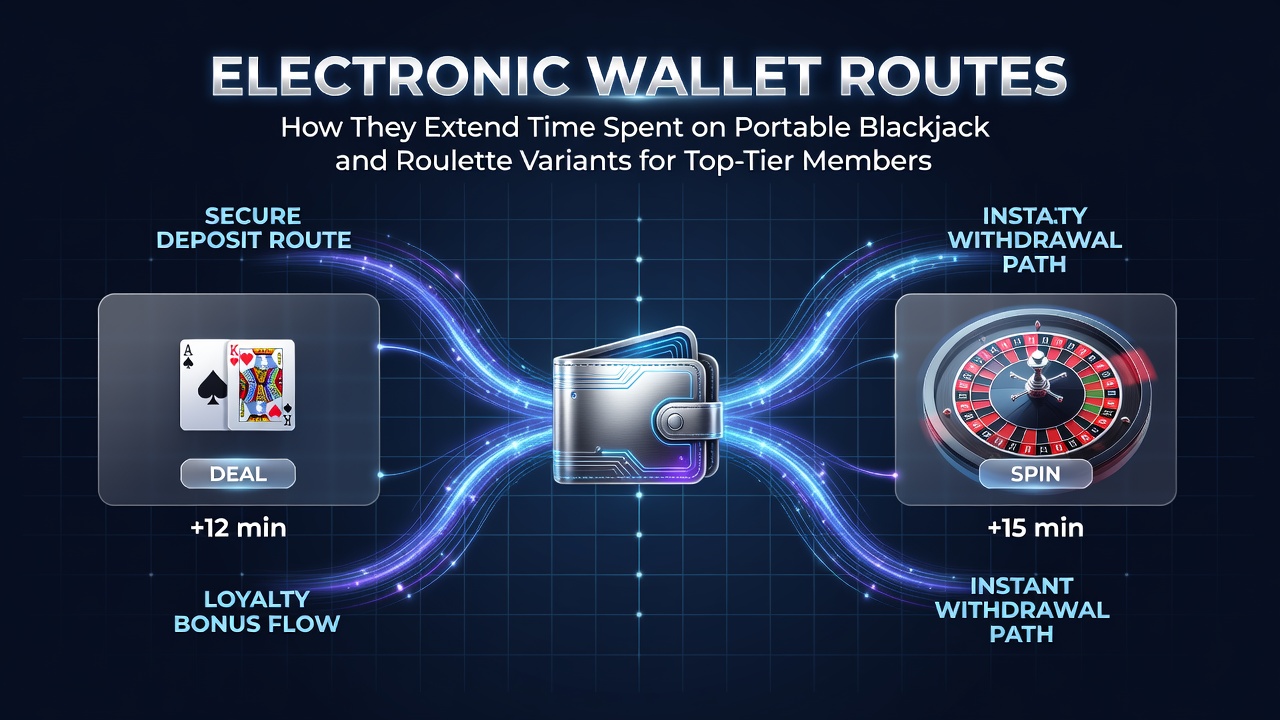
Electronic wallet systems connect directly to mobile gaming platforms and this linkage allows top-tier members to move funds into blackjack and roulette applications without leaving the active session. Operators route these transactions through dedicated payment gateways that verify accounts in seconds rather than minutes and the reduced latency keeps players at virtual tables longer. Data from multiple jurisdictions shows that loyalty program participants who rely on e-wallet pathways complete more hands per hour compared with those who use traditional bank transfers.
Transaction Pathways and Mobile Platform Integration
Portable blackjack and roulette variants operate on apps that maintain persistent game states while players adjust bets or switch tables. When an electronic wallet processes a deposit the app receives confirmation through an API call and the balance updates immediately so the dealer sequence continues without interruption. Researchers at the University of Nevada Las Vegas documented these integration patterns in a 2025 technical review and noted that top-tier accounts often receive priority queuing within the payment processor which further shortens approval times.
These routes also support instant withdrawals after a session ends and members can transfer winnings back to their wallet balance before the next round begins. The same verification tokens used for deposits carry over to cash-out requests which eliminates separate authentication steps. Observers note that this closed-loop system reduces friction points that typically cause players to pause or exit the application.
Impact on Session Duration for High-Level Loyalty Participants
Top-tier members receive elevated daily deposit limits through their electronic wallet connections and this access removes the need to split transactions across multiple methods. Studies conducted by the Nevada Gaming Control Board indicate that players in premium tiers who maintain active e-wallet links spend an average of 47 percent more time on mobile roulette variants than standard account holders. The difference appears most clearly during peak evening hours when table traffic increases and quick funding becomes essential for staying in high-stakes games.
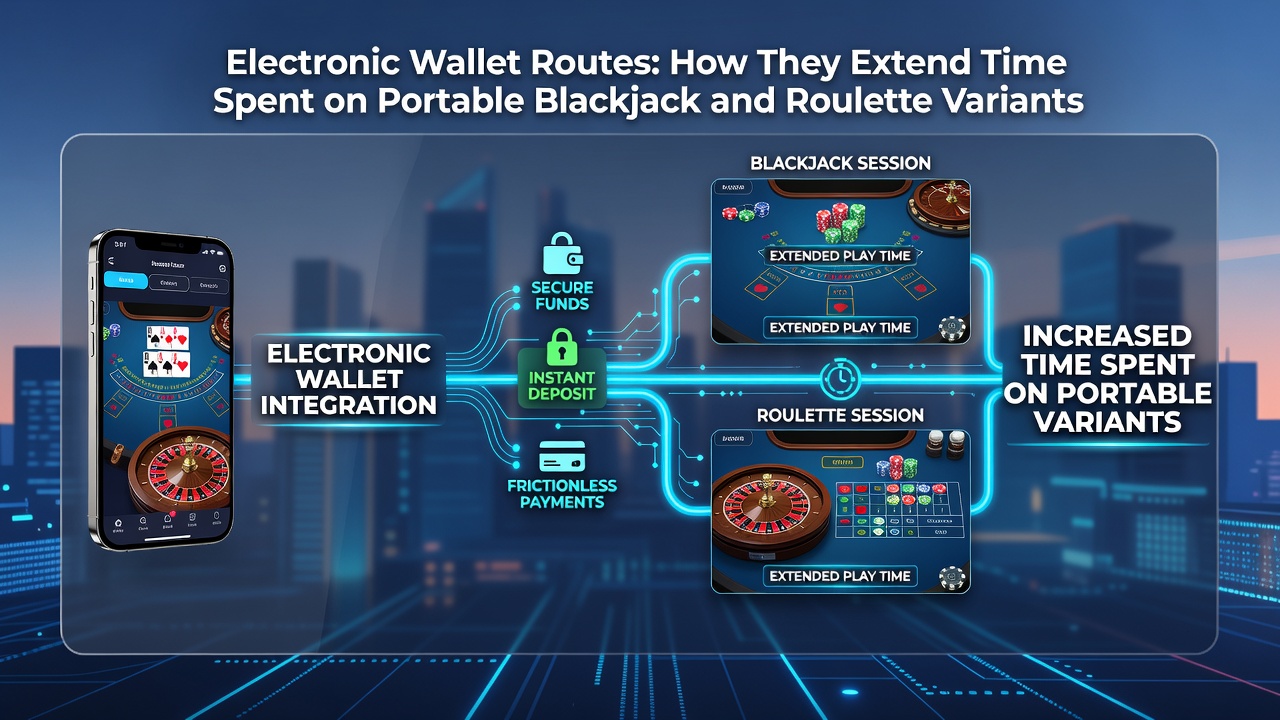
Blackjack variants follow similar patterns because side-bet options and insurance decisions require additional chips at short notice. Electronic wallet routes handle these micro-adjustments through pre-authorized micro-deposits that trigger automatically when a balance threshold is crossed. Program participants report fewer interruptions because the system handles the transfer before the next deal occurs and this continuity supports longer consecutive play periods.
Regulatory Context and June 2026 Developments
In June 2026 several North American regulators released updated guidance on digital payment verification standards and these documents emphasized secure token exchange between wallets and gaming servers. The Pennsylvania Gaming Control Board published figures showing that mobile table game revenue from loyalty members rose 31 percent year-over-year following expanded e-wallet support in regulated apps. Similar reports from iGaming Ontario highlighted parallel growth in session lengths among top-tier accounts that relied on instant funding mechanisms.
These regulatory updates also addressed data encryption requirements for persistent game states and operators responded by strengthening the links between wallet providers and game engines. The changes ensure that transaction logs remain synchronized with dealer sequences so audits can verify both financial activity and gameplay timing without manual reconciliation.
Loyalty Escalation Tied to Wallet Activity
Many programs award tier points based on both wager volume and deposit frequency through approved electronic routes. Top-tier members who route all transactions through connected wallets accumulate qualifying activity faster and this accelerates movement into higher benefit brackets. The structure encourages consistent use of the same payment method because each verified deposit counts toward monthly progression metrics.
Case examples from operators in multiple states illustrate how these mechanics function in practice. One program automatically upgraded members who completed ten wallet-funded deposits within a calendar month and the upgrade unlocked higher table limits on mobile blackjack variants. Another operator linked wallet transaction speed to bonus credit release timing so faster routes translated directly into additional playable balance during the same session.
Conclusion
Electronic wallet routes streamline funding for portable blackjack and roulette by minimizing delays between deposit requests and playable balance updates. Top-tier members benefit from priority processing and elevated limits that support extended engagement with live dealer sequences. Figures released through 2026 regulatory channels confirm measurable increases in session duration among participants who maintain active connections to these payment systems. As operators continue refining API integrations between wallets and game platforms the relationship between transaction efficiency and time spent at mobile tables remains a central operational focus across regulated markets.