Cross-Regional Variations in How Digital Transaction Options Alter Bonus Trigger Rates Within Portable Loyalty Frameworks
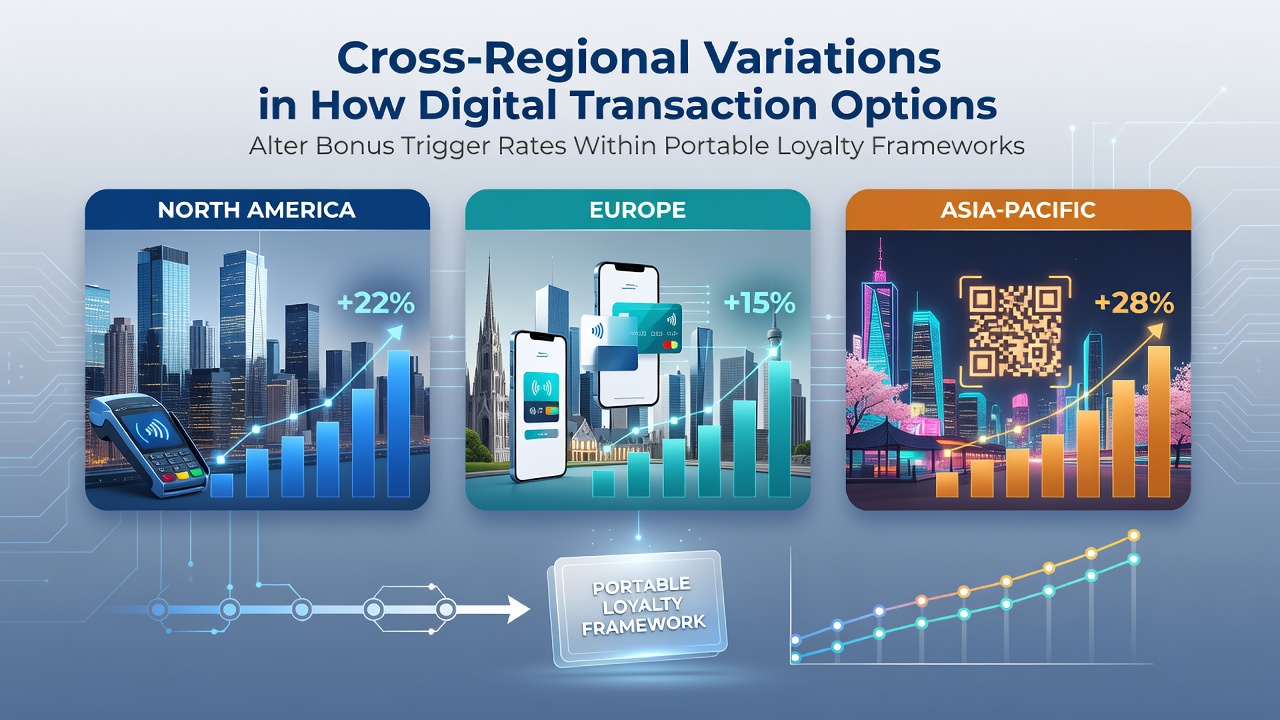
Portable loyalty frameworks rely on digital transaction options that connect directly to bonus activation sequences, and observers note substantial differences in how these mechanisms perform when examined across geographic boundaries. Data compiled through mid-2026 shows that payment method selection influences trigger frequencies at rates that diverge sharply between North American, European, and Asia-Pacific markets, with mobile interfaces serving as the primary delivery channel for most participants.
Core Mechanics of Digital Transactions in Loyalty Systems
Transaction speed, verification layers, and integration depth determine whether a deposit or transfer activates tiered rewards inside loyalty applications, while portable frameworks track these events through persistent user profiles that travel across devices. Researchers tracking patterns in July 2026 found that instant funding tools such as digital wallets produce higher bonus trigger rates in regions where regulatory environments permit rapid settlement, whereas traditional bank transfers often require additional confirmation steps that delay or reduce activation counts. Studies conducted by academic teams at institutions in multiple jurisdictions reveal that the timing of symbol alignment or point accrual frequently aligns with the moment funds clear rather than the initial authorization, creating measurable regional gaps.
North American Patterns and Data Trends
Markets in the United States and Canada demonstrate elevated trigger rates when participants use integrated mobile payment solutions that sync with loyalty escalators, according to aggregated figures released by North American gaming associations. Observers tracking eight operational states recorded bonus activation increases of up to 18 percent during periods when e-wallet options expanded, while slower methods such as wire transfers correlated with lower engagement in progressive reward ladders. One analysis covering early 2026 activity indicated that loyalty participants in regulated mobile environments experienced more consistent point accumulation when transaction logs fed directly into centralized tracking systems without intermediary delays.
European and Asia-Pacific Contrasts
European frameworks, shaped by cross-border payment directives, show steadier but sometimes lower trigger frequencies because additional compliance checks extend settlement windows, and data from industry groups highlights how these steps alter bonus eligibility windows compared with faster domestic solutions. In contrast, several Asia-Pacific jurisdictions report accelerated trigger events when local digital wallet providers link seamlessly to portable loyalty platforms, producing higher alignment rates during peak mobile usage hours. Analysts examining July 2026 metrics noted that regions permitting cryptocurrency channels alongside traditional options experienced wider variance in activation success, with some operators documenting shifts of 12 to 25 percent depending on the chosen rail.
Factors Driving Cross-Regional Divergence
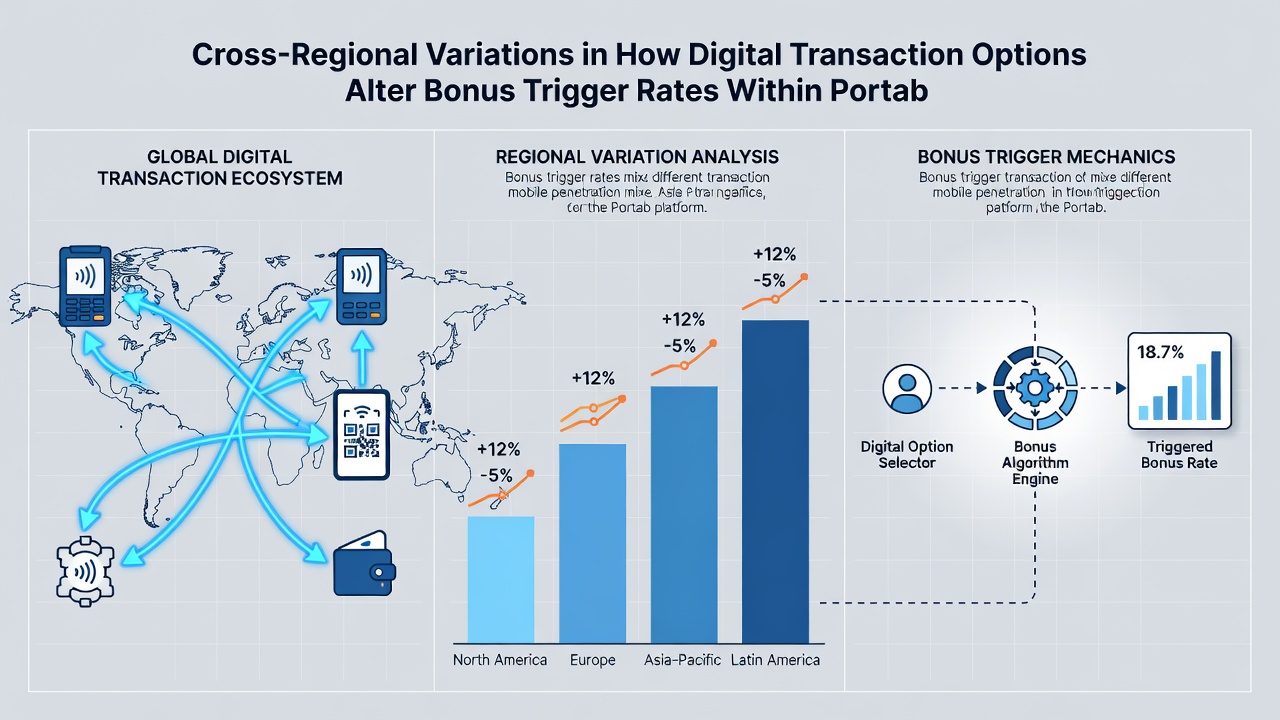
Regulatory timelines, infrastructure maturity, and consumer adoption curves combine to shape outcomes, while portable loyalty frameworks must accommodate varying security protocols that affect how quickly transactions register within reward engines. Evidence from comparative reports indicates that markets with unified digital identity systems achieve tighter synchronization between payment confirmation and bonus deployment, reducing instances where triggers fail due to timing mismatches. Those who have examined operator logs across borders often discover that interface design plays a supporting role, since streamlined checkout flows minimize drop-off before funds reach the loyalty ledger.
Implications for Framework Design in 2026
Operators adjusting portable systems in response to July 2026 performance data focus on modular transaction gateways that adapt to regional requirements without disrupting core loyalty logic, and figures reveal that such flexibility correlates with more uniform trigger rates across user bases. Research institutions monitoring these adaptations have documented cases where hybrid wallet integrations raised activation consistency by bridging gaps between slower and faster payment rails. Industry associations in different continents continue to publish comparative datasets that help stakeholders map how digital options reshape reward accessibility inside mobile environments.
Conclusion
Cross-regional analysis of digital transaction effects on bonus triggers within portable loyalty frameworks continues to highlight structural differences rooted in regulation, technology, and user behavior. Patterns observed through mid-2026 underscore the importance of localized payment integration strategies that align settlement speed with reward mechanics, allowing frameworks to maintain consistent performance regardless of geographic context. Ongoing collection of transaction and activation metrics supports further refinement of these systems as markets evolve.