Authorization Timelines Shaping Wheel Engagement Levels Within Portable Loyalty Structures
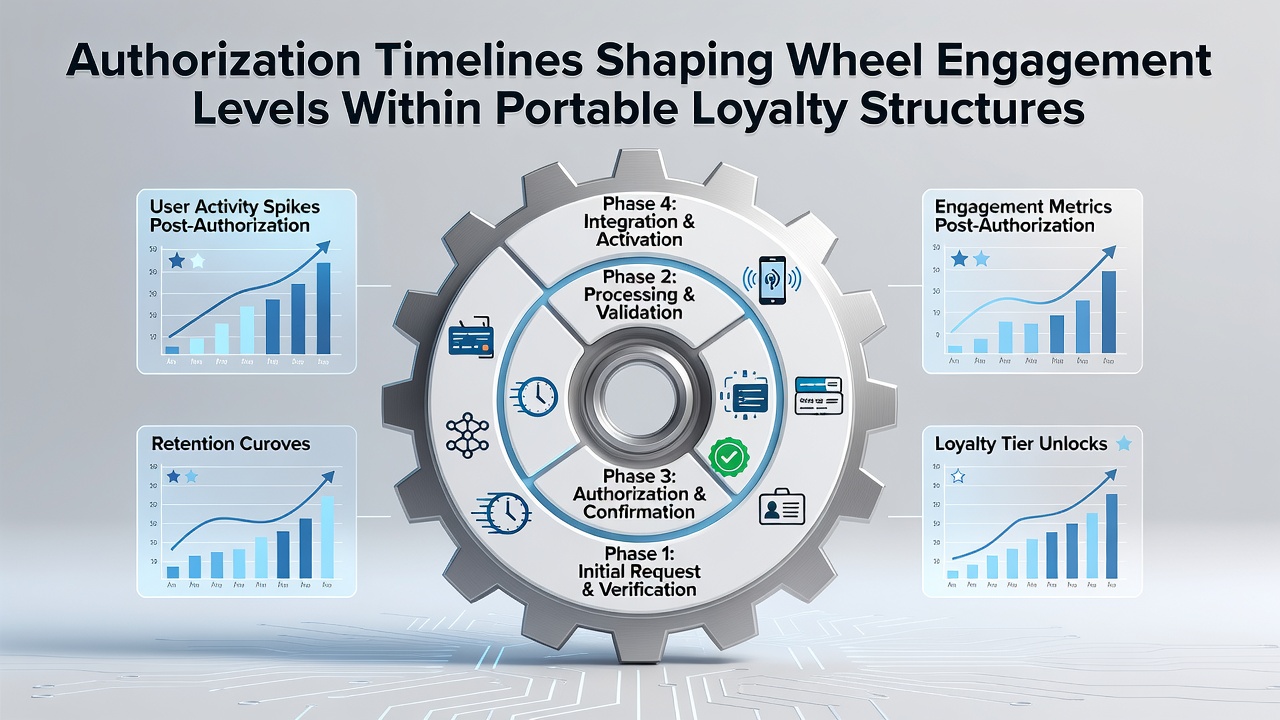
Portable loyalty structures in casino environments rely on mobile applications that manage player rewards through digital tiers and interactive features, and authorization timelines determine when users gain access to elements like spin wheels that distribute bonuses or points. These timelines represent the intervals between a player's action, such as completing a deposit or reaching a play threshold, and the system's approval for elevated engagement options. Data from multiple jurisdictions indicates that shorter authorization periods correlate with higher interaction rates on wheel-based rewards.
Core Components of Portable Loyalty Systems
Portable loyalty structures function through apps that track player activity across devices while maintaining persistent profiles synced to central servers, and operators integrate wheel features as mechanisms for instant reward distribution once authorization clears. Researchers at institutions like the University of Nevada, Reno have examined how these systems process real-time data from table games and slots to adjust eligibility, with findings showing that wheel spins often serve as entry points to higher tiers when approvals occur within defined windows. In July 2026 several platforms updated their backend protocols to reduce processing lags, allowing more players to engage with wheels during active sessions rather than after delays.
How Authorization Timelines Influence Access
Authorization timelines operate as gatekeepers in these structures because they verify compliance elements like identity checks, deposit confirmations, and responsible gaming flags before unlocking wheel interactions, and extended periods can reduce the frequency of spins as users disengage during waits. According to reports from the Victorian Commission for Gambling and Liquor Regulation, systems with average approval times under two minutes recorded up to 35 percent more wheel engagements compared to those averaging ten minutes or longer. Operators adjust these timelines through automated scripts that flag low-risk accounts for instant clearance while routing others through manual review, which directly shapes daily engagement metrics in portable setups.
Patterns in Wheel Engagement Data
Engagement levels with wheels fluctuate based on timeline consistency, since players tend to return more often when approvals align with session peaks such as post-deposit moments or milestone achievements, and analysts track metrics like spin attempts per authorized user to identify bottlenecks. One study from the Canadian Gaming Association highlighted regional variations where Ontario platforms achieved faster clearances through centralized verification tools, leading to steadier wheel usage across loyalty tiers. In contrast, slower processes in other areas resulted in clustered activity only after approvals landed, which fragmented overall participation rates.
Technical Integration and System Adjustments
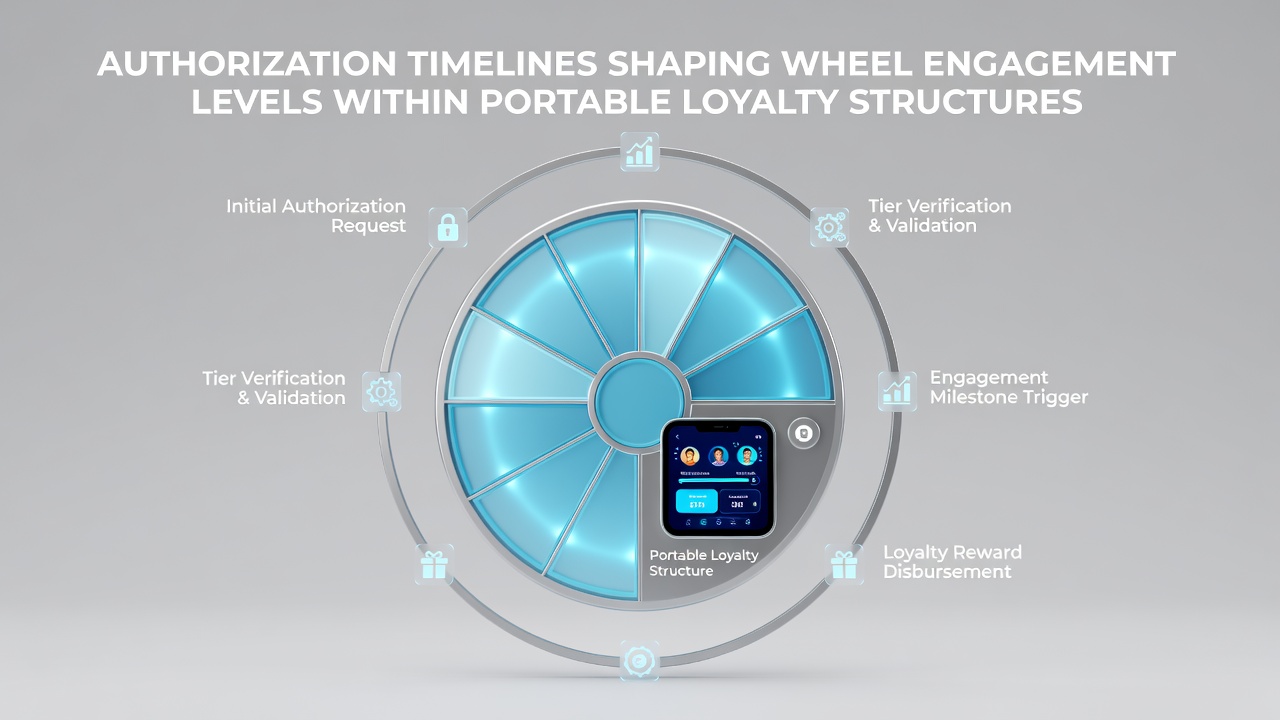
Developers build these timelines into loyalty architectures by linking API calls for authorization directly to wheel activation modules, which ensures that engagement features activate only after verification completes and prevents unauthorized spins that could disrupt reward economies. Observers note that platforms experimenting with predictive algorithms in early 2026 reduced average timelines by pre-authorizing based on historical play patterns, and this approach increased wheel interactions without compromising security layers. Such integrations also tie into broader portable structures where cross-device syncing maintains authorization status, allowing seamless shifts from mobile to desktop sessions.
Regional Examples from Mid-2026
In several markets operators refined authorization flows to support wheel features within loyalty escalators, with examples from Australian venues showing that streamlined processes boosted repeat engagements among tiered users. European platforms adopted similar adjustments following updates to data protection standards, where quicker clearances aligned with mobile session behaviors and sustained higher wheel activity levels. These changes reflect broader industry shifts toward real-time processing that keeps players within active loyalty loops rather than forcing breaks for verification.
Conclusion
Authorization timelines continue to define how effectively portable loyalty structures deliver wheel engagement opportunities, as shorter and more predictable intervals support consistent player interactions across mobile platforms. Industry data from varied regulatory environments demonstrates measurable links between processing speeds and participation rates, guiding ongoing refinements in system design. As platforms evolve through 2026 and beyond, these elements remain central to maintaining balanced reward distribution in digital casino settings.